Summary: The Canary Islands and Madeira are among Europe’s mildest winter escapes, while the Algarve, southern Spain, Malta and Cyprus offer gentler conditions than much of the continent. Mild, however, does not mean reliably hot: expect changeable days, cooler evenings and weather that varies by coast, altitude and month. Choose a destination for the activities you want, not temperature alone.
When much of Europe reaches for winter coats, the far south can still invite you outdoors. For the warmest places in Europe during winter, start with the Canary Islands and Madeira, then consider southern Spain, Malta and Cyprus if you are happy with milder rather than beach-hot weather. For an Atlantic coast escape with quiet walks and local life, a winter escape in southern Portugal offers a different kind of seasonal reset.
There is an important distinction between a pleasant sunny afternoon and a reliably warm holiday. Winter brings shorter days, cool nights and occasional rain even in southern destinations. Islands, exposed coasts and inland cities also feel different, so your best choice depends on whether you want outdoor walks, city culture or the greatest chance of sun.
What does “warm” mean in a European winter?
Start with your expectations. In many southern destinations, winter is comfortable for walking, sightseeing and sitting outside during sunny hours, but it is not a dependable extension of summer. The difference between daytime warmth and chilly evenings can be noticeable, especially near the sea or after the sun sets.
Island and coastal climates are often moderated by surrounding water, while inland areas may have cooler nights and sharper temperature changes. Hills and mountains add another layer: a sheltered coast can feel mild while higher ground is cloudy, windy or cold. The European climate report also offers useful context: one season’s weather is not a guarantee of what a future trip will bring.
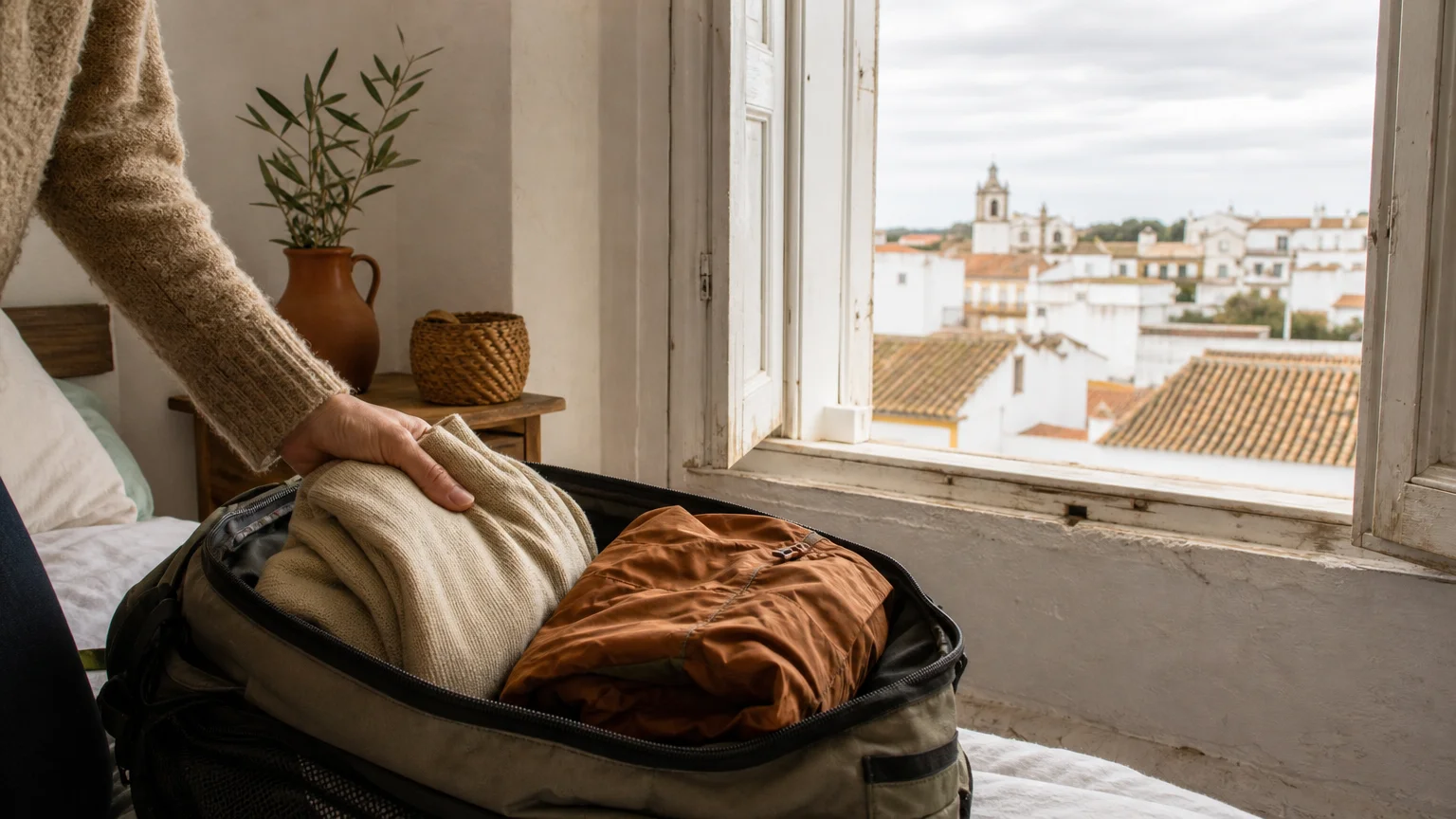
For practical planning, think in terms of mild winter sun, not guaranteed heat. Pack light layers, a warmer evening option and something for rain. If swimming is important, check seasonal sea conditions and whether your accommodation has a heated pool rather than relying on a sunny forecast.
Canary Islands and Madeira: islands for a milder escape
If warmth is your main priority, compare the Canary Islands with Madeira. The Canaries give you several island settings, from drier southern resort areas to greener, more varied landscapes elsewhere. Tenerife and Gran Canaria pair coastal walks with city visits and outdoor excursions; conditions can differ substantially between the sunny south, the north and higher elevations.
Madeira suits travellers who want scenery and activity as much as sunshine. Coastal areas are generally mild, while its mountainous interior brings more changeable conditions. That makes it a compelling choice for walking, viewpoints and exploring Funchal, but less predictable for a week built around sunbathing. The official climate atlas describes the climate patterns of Madeira and the Canary and Azores archipelagos, helping explain why island landscapes do not share one uniform forecast.
Choose the Canaries if you want to weigh different island settings and coastal options. Consider Madeira if hiking, dramatic scenery and a mild base matter more than classic beach weather. Either way, check conditions for your specific area, not just the island name.
Algarve and Andalusia: mild mainland days, cooler nights
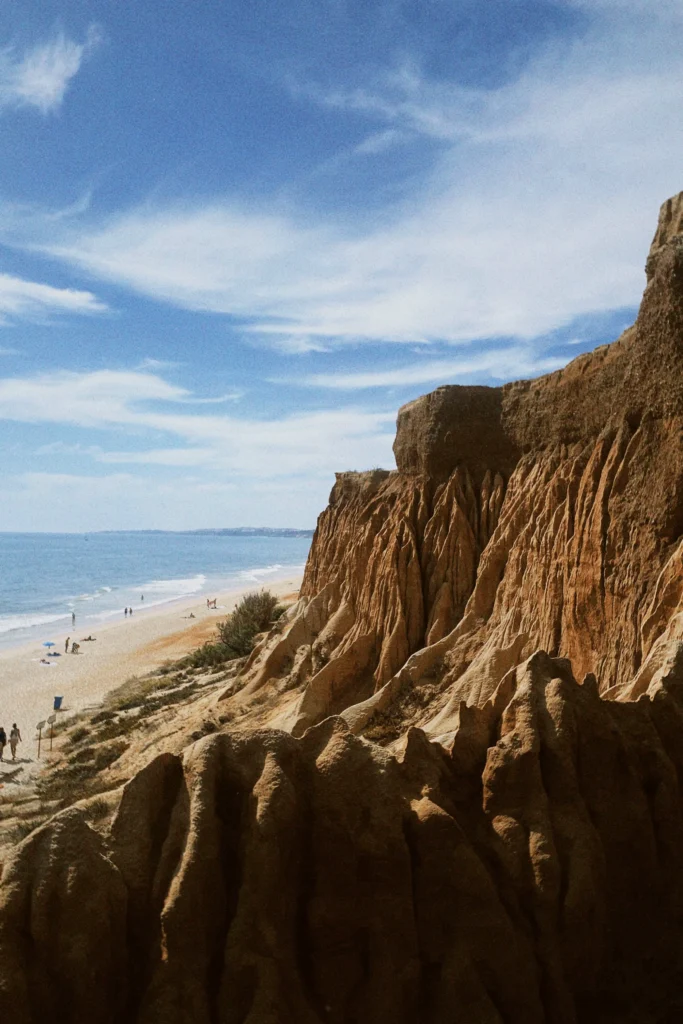
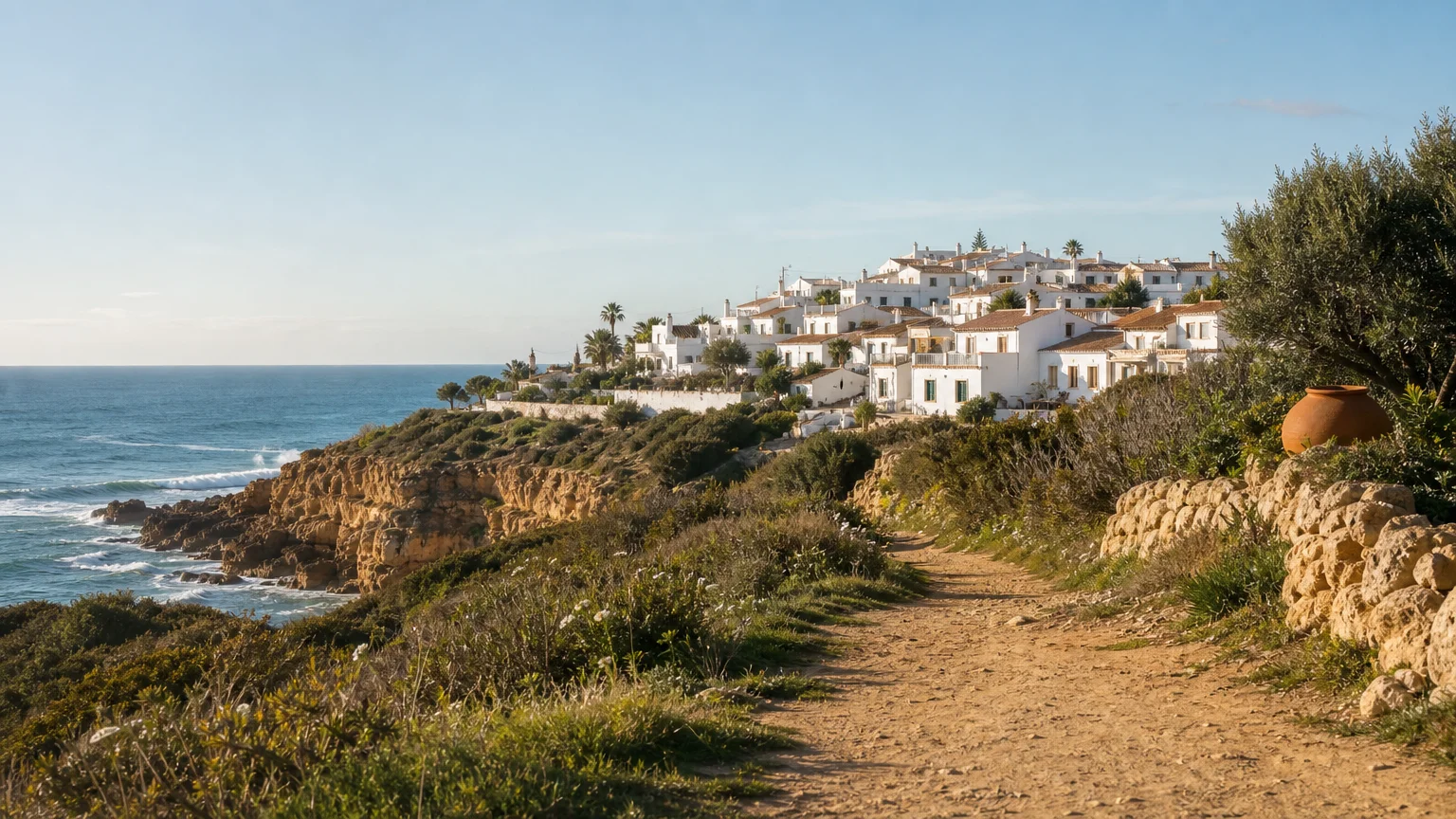
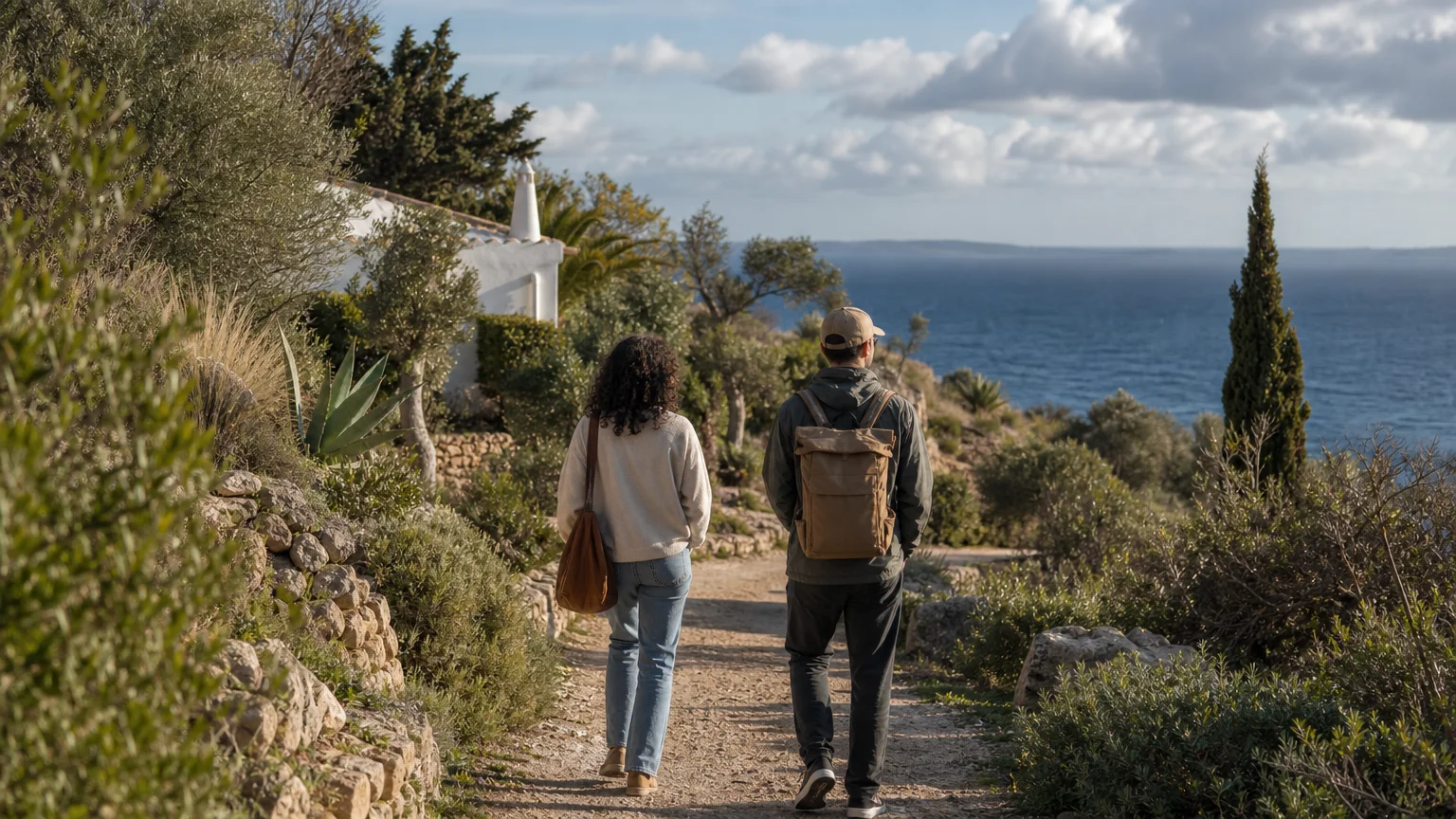
On mainland Europe’s southern edge, the Algarve and Andalusia offer a mix of coastal scenery, towns and cultural sights. In winter, the Algarve is better suited to cliff-top walks, village visits and relaxed outdoor meals than to a guaranteed beach holiday. Atlantic breezes and passing rain can change the feel of a day, so leave room in your plans for indoor stops.
Andalusia gives you a choice between coast and inland city breaks. Málaga combines a Mediterranean setting with museums and a walkable centre. Seville offers architecture, food and long urban strolls without asking you to plan around the beach. Inland destinations can have colder evenings, so bring layers even when daytime sunshine feels inviting.
If you are weighing up the region, our reasons to visit the Algarve in winter include the appeal of a quieter-season stay. The region can also suit a longer visit if you want outdoor time alongside focused work. For winter activities around Faro and Olhão, explore the Algarve’s winter charm.
Malta, Cyprus and other Mediterranean choices
Malta and Cyprus are appealing when you want winter sightseeing in a compact island setting. Valletta’s historic streets and harborside views can make a sunny afternoon feel inviting, while Cyprus combines coastal towns with archaeological sites and inland villages. In both places, winter can still bring wind, rain and cool evenings, so treat sunshine as an opportunity for outdoor exploring rather than a promise of beach weather.
Crete, Sicily and Mallorca can also work well for a quieter off-season trip, especially if food, landscapes and historic centres matter more to you than swimming. Some tourist businesses and resort areas operate on reduced schedules in winter. Before booking, check that the restaurants, transport links and activities you want will be available during your dates.
For a city break, prioritize a base with year-round services and sights you can enjoy in varied weather. For an island visit, check whether your plans rely on seasonal ferries, tours or beach facilities. These practical details can matter as much as a few degrees of difference.
How to choose for weather, daylight and activities
Winter conditions shift from one year to the next, and a regional average cannot tell you whether it will rain on a particular day. The European Climate Assessment and Dataset provides historical observations across Europe, including temperature and precipitation. Use climate information to set expectations, then check a local forecast closer to departure.
Daylight is another useful consideration. Even a mild destination has shorter winter days than summer, and that affects how much time you have for outdoor excursions. Plan longer walks and drives around daylight, and keep a flexible indoor option for wet or windy periods.
Use these questions to narrow your shortlist:
- For the mildest island setting, compare the Canary Islands and Madeira, checking the specific coast and elevation.
- For culture and city walks, consider Málaga, Seville or Valletta.
- For coastal scenery, look at the Algarve, while allowing for breezy or rainy days.
- For a longer stay, check year-round transport, open services and accommodation arrangements before you commit.
Remote workers planning a longer Algarve visit may also want accommodation that supports work as well as free time. Our private-room coliving stays combine shared homes, coworking access, on-site hosts and community activities, giving you a practical base while you explore the region at a winter pace.
Choose mild weather, not a summer guarantee
The mildest winter destinations in Europe include the Canary Islands and Madeira, while the Algarve, Andalusia, Malta and Cyprus offer appealing alternatives for walks, culture and outdoor meals. None guarantees summer conditions. Match the destination to your priorities, check local conditions for your dates and pack for cooler evenings as well as sunny afternoons.
Make winter a season for work and discovery
If you are planning more than a short break, a comfortable base can make it easier to balance remote work with time outdoors. In the Algarve, our coliving homes bring private-room accommodation together with shared living spaces and coworking access.
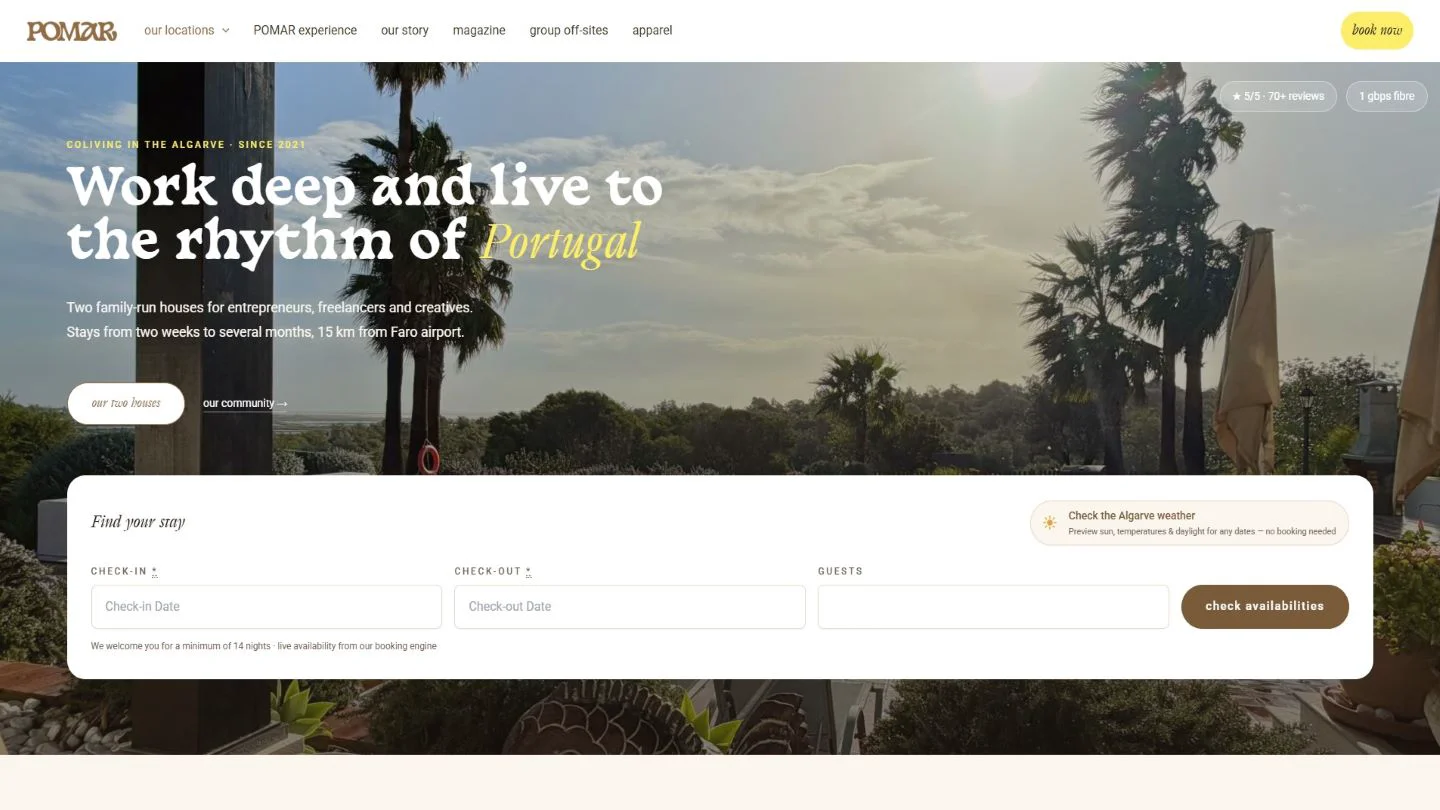
At POMAR, stays include fiber broadband, office equipment, on-site hosts, housekeeping and a weekly community dinner. You can explore outdoor activities and local experiences alongside your work, with optional extras arranged separately. For a work-focused stay in Portugal, consider a winter stay in the Algarve.
Frequently Asked Questions
Where is warmest in Europe during winter?
The Canary Islands and Madeira are among Europe’s mildest winter destinations. Local weather still varies by island, coast and elevation, so check the area you plan to visit.
Is the Algarve warm enough for a beach holiday in winter?
The Algarve is a good choice for coastal walks, sightseeing and sunny outdoor breaks, but winter is not a reliable beach-weather season. Atlantic water and breezy or rainy days can make swimming uncomfortable.
Is Madeira warmer than southern Spain in winter?
Madeira’s coastal areas are generally mild, while southern Spain offers a range of coastal and inland climates. The better fit depends on whether you prefer island scenery and walks or city visits and mainland travel.
What should I pack for a European winter-sun trip?
Pack light layers, comfortable walking shoes, a warmer layer for evenings and a rain jacket. If you plan to hike or visit higher ground, bring clothing suited to cooler and more changeable conditions.
Can I work remotely during a winter stay in the Algarve?
Yes, our coliving accommodation combines private rooms with shared living spaces and coworking access. POMAR also provides fiber broadband, office equipment and on-site hosts, with community activities that can help you enjoy the region outside work hours.