Summary: Southern Portugal’s food culture reflects two distinct landscapes: the Algarve’s Atlantic coast and lagoons, and the Alentejo’s plains, farms, and western shoreline. Seafood, bread, olive oil, seasonal produce, and shared meals connect local dishes to everyday life. Knowing what to look for helps you taste the differences without reducing either region to a single recipe.
What does the south of Portugal taste like beyond the beach? The answer shifts from lagoon shellfish and grilled fish in the Algarve to bread-based soups, olive oil, and pork in the Alentejo. Olhão offers a vivid starting point for connecting local dishes with a place’s past; begin with the history and culture of Olhão before exploring its market and waterfront.
The food and culture in southern Portugal grow from local ingredients, inherited cooking knowledge, and the rhythms of coastal and rural life. A meal is more than a list of specialties: the fish available, the bread on the table, and the time spent eating together all help tell the story of the region.
Why do two southern regions eat differently?
Southern Portugal is not one culinary landscape. The Algarve is shaped by the Atlantic, fishing towns, and the Ria Formosa lagoon system, while the Alentejo reaches across broad agricultural plains and also has a stretch of Atlantic coast. Each setting influences what cooks have at hand and how familiar ingredients are prepared.
That connection between food and place is part of Portugal’s documented culinary heritage. The government’s traditional products inventory links regional foods to local resources, production systems, and knowledge passed between generations. In practice, a visitor can notice that heritage in everyday combinations, such as olive oil with bread, herbs used to season a stew, or fish cooked simply over charcoal.
Regional labels are useful, but they do not dictate every plate. Recipes shift between towns and households, and the Alentejo’s coastal communities have different food traditions from its inland villages. Treat a dish as a clue to its landscape, not as a rule that every kitchen must follow.
Algarve food: seafood, lagoons, and citrus
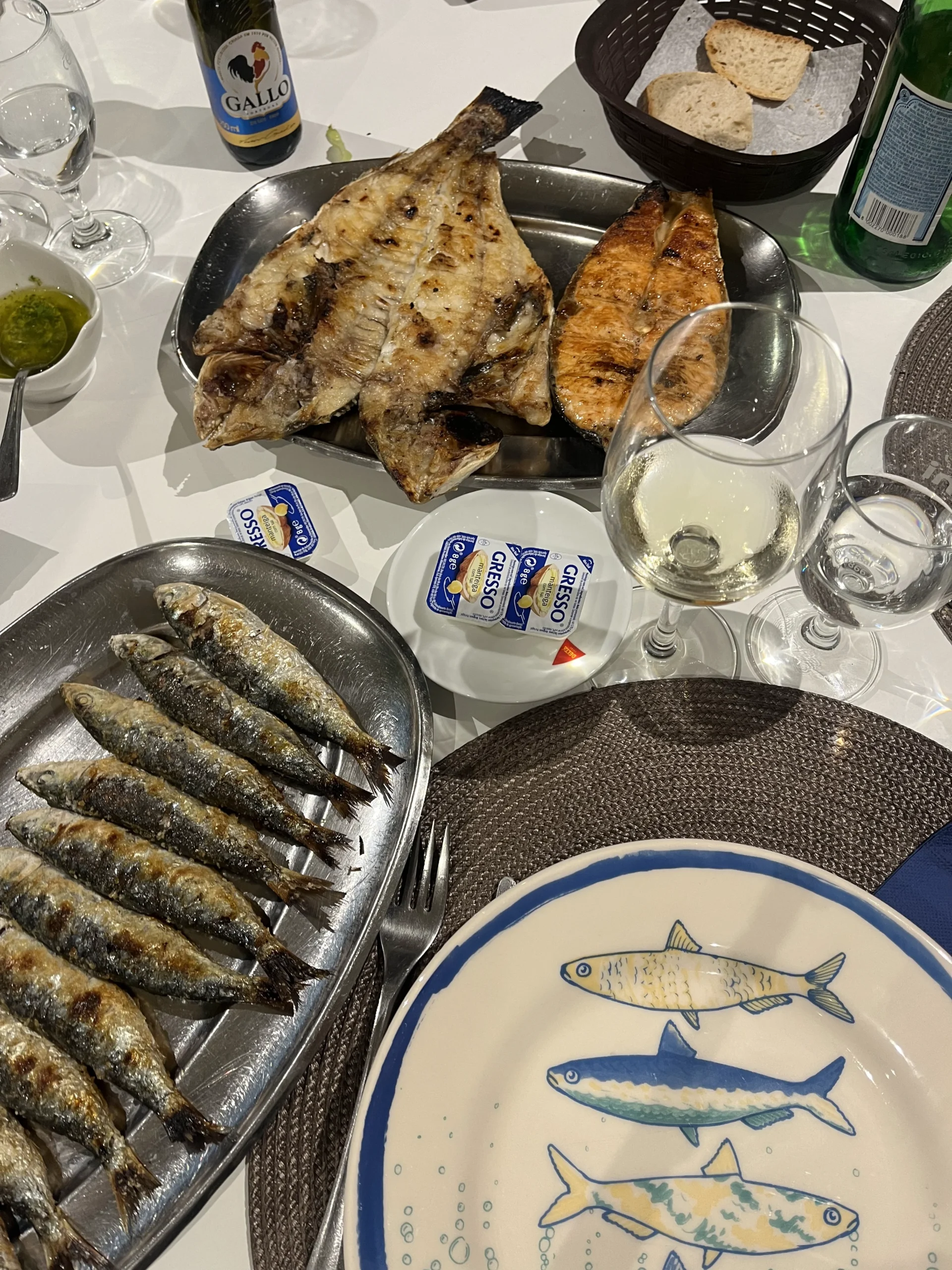
Along the Algarve coast, fish and shellfish are natural starting points. Look for grilled sardines, whole fish cooked over charcoal, clams with garlic and coriander, and seafood rice. A cataplana is both a tightly closing metal cooking vessel and the dish prepared inside it, often a stew of fish or shellfish with vegetables and herbs. It is commonly served for sharing, with bread to soak up the broth.
The region’s food is not only about the sea. Inland, almonds, figs, and citrus appear in sweets and other local products. Dom Rodrigo, made with egg yolk, sugar, and almonds, is one example of the Algarve’s rich confectionery tradition. These ingredients show how the region’s culinary identity connects the coast with its agricultural hinterland.
A 2026 study compared the nutritional composition of 60 traditional recipes selected to represent Portugal’s north, centre, and south. Its regional scope is a useful reminder that the country’s broad culinary reputation includes distinct local repertoires, rather than one uniform menu. For a west-coast stop, our guide to where to eat well in Sagres connects food with the character of the town.
Alentejo food: bread, olive oil, and rural traditions
In the Alentejo, bread is more than a side dish. It becomes the base for preparations such as açorda alentejana, a bread soup made with garlic, coriander, olive oil, and often a poached egg. Migas also make use of bread, typically combined with olive oil, garlic, herbs, or other ingredients and served alongside meat or vegetables.
Meat dishes are part of the picture, too. You may encounter pork, lamb stews, and porco preto, or black Iberian pork. The region’s cooking often brings simple staples together in filling dishes, while olives, local cheeses, and wine can round out a meal. On the Alentejo coast, fish and seafood add another dimension, so inland dishes should not define the whole region.
Seasonality can shape what appears at the table: summer brings fresh vegetables and lighter meals, while cooler weather suits soups and stews. Ask what is local or in season instead of expecting the same menu everywhere. That question often leads to a more specific answer about the area and its food.
Markets, sweets, and the customs around a meal
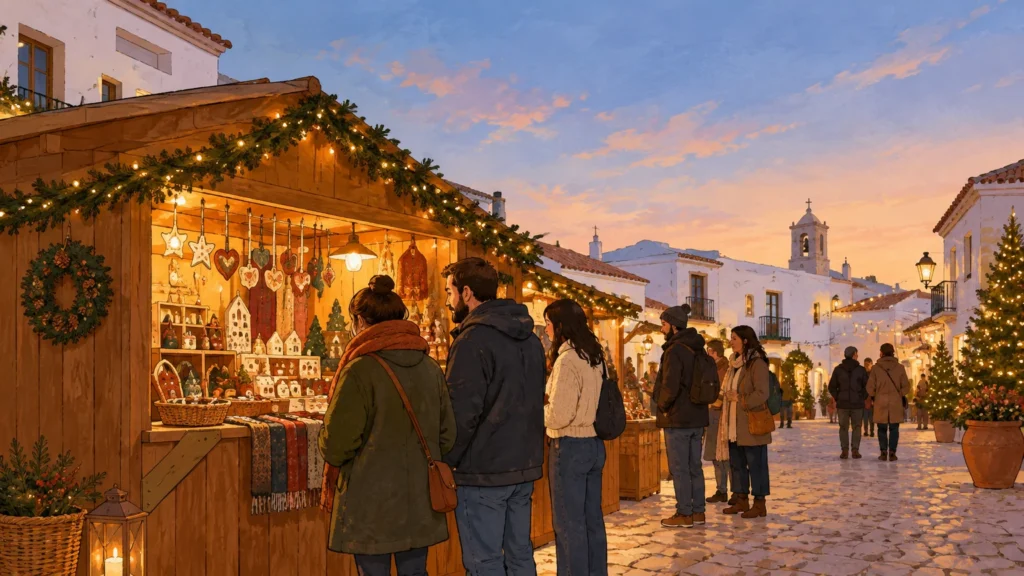
A market offers a practical way to see what a community eats and sells. In Olhão, a walk through the market area can bring fish, shellfish, produce, and local cooking into the same view. For a wider look at places to explore in town, see our guide to hidden gems and activities in Olhão.
Food also belongs to the wider cultural experience of a visit. In the Algarve’s 2022 visitor profile, cultural holidays accounted for 41.5% of responses, compared with 36.8% for sun-and-beach holidays, according to the Algarve visitor profile published on Portugal’s TravelBI platform in 2023. Those figures describe that survey, not every visitor, but they help explain why markets, local history, and food can be meaningful parts of a trip.
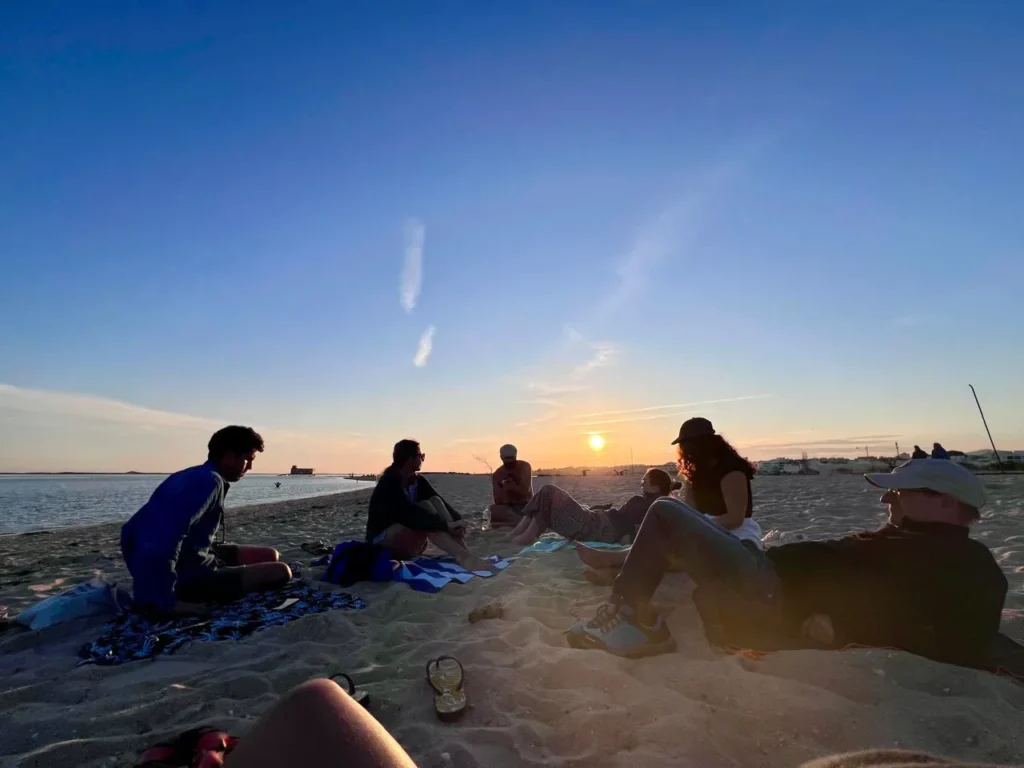
At the table, take your time and notice how dishes are served. Shared stews and seafood encourage conversation, while bread, olives, and other small items can arrive before the main course. If you order fish priced by weight, ask the price and expected portion before it is cooked.
How can you explore southern food with curiosity?
Choose a few experiences that reveal different sides of the region: a market visit, a simple grilled fish meal, a traditional bread dish, and a local sweet. Learn the Portuguese names when you can, and ask about the main ingredients or how a dish is usually served. That approach leaves room for regional differences instead of turning a food trip into a checklist.
Food also fits naturally into a slower exploration of villages, coast, and countryside. Our guide to local pleasures in the heart of the Algarve offers another way to connect a stay with the area beyond the dining table. At POMAR, our local focus includes Algarve food and culture, alongside coordinating local experiences; ask our team what is available during your stay.
Let the landscape guide your next meal
Southern Portuguese food culture comes into focus when you compare the Algarve’s seafood, lagoon ingredients, and almond sweets with the Alentejo’s bread dishes, olive oil, and rural cooking. Leave room for local variation, ask what is in season, and treat markets and shared meals as part of the cultural experience, not just a stop between attractions.
Make the Algarve a base for local discovery
Trying regional dishes is easier when you have time to explore beyond one town or one meal. A longer stay gives you space to balance work, local life, and visits to the coast or countryside, while getting a feel for the different places that shape Algarve food culture.
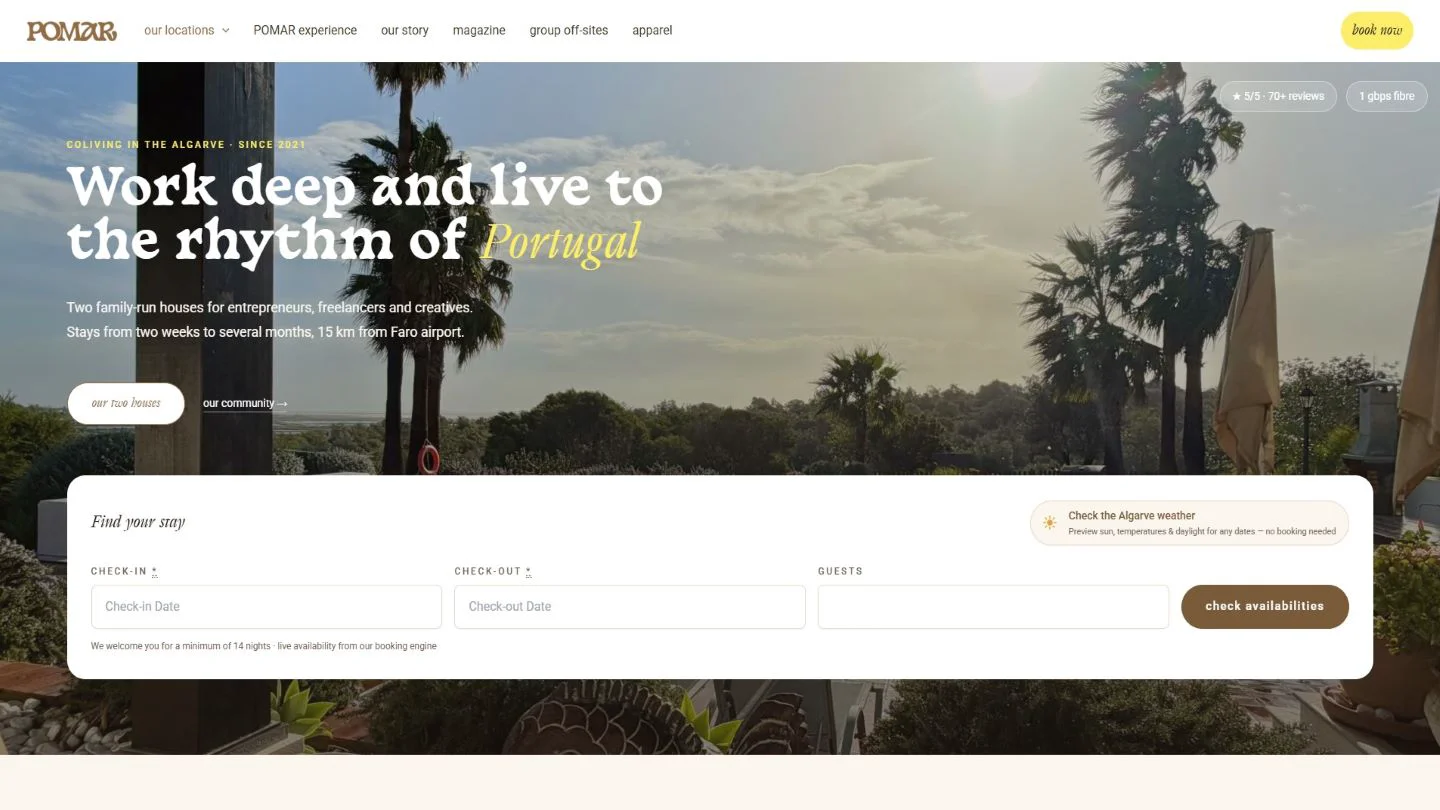
At POMAR, our coliving combines private-room accommodation in shared homes with coworking access, on-site hosts, and community activities. Our local experience coordination can also help you connect with Algarve life beyond your workspace. Explore coliving in the Algarve and find a base for a stay that brings work and regional discovery together.
Frequently Asked Questions
What food is the Algarve best known for?
The Algarve is known for fish and seafood dishes, including grilled sardines, clams, seafood rice, and cataplana. Almond and fig sweets offer a taste of its inland traditions.
What dishes are associated with the Alentejo?
Açorda and migas highlight the region’s use of bread, olive oil, garlic, and herbs. Pork and lamb dishes are also common, while coastal areas have their own seafood traditions.
What is a cataplana?
A cataplana is a metal vessel with a closing lid, as well as the stew cooked in it. Algarve versions often combine fish or shellfish with vegetables and herbs.
How can you experience local food culture beyond restaurants?
Visit a market, ask about seasonal ingredients, and notice how local dishes are shared and served. A food experience becomes more meaningful when you connect it with the place and its everyday life.
Can POMAR help you connect with Algarve food and culture?
Our local focus includes Algarve food and culture, and we coordinate local experiences for guests. POMAR also provides coliving accommodation, coworking access, and on-site hosting.