Summary: Sports in coliving spaces can combine private living, focused work, shared facilities and regular movement. The best options offer a practical mix of indoor fitness, outdoor activities, recovery areas and community support, while keeping schedules, costs, equipment, privacy and seasonal availability clear before you book.
Can one place support a productive workday and a consistent training routine? That is the appeal of sports in coliving spaces. Instead of separating accommodation, fitness, social life and local exploration, you can build them into the same temporary lifestyle. For an Algarve example, our guide to the Algarve as a sports destination explains why the region suits active entrepreneurs and remote workers.
The interest is understandable. In 2026, the Sports & Fitness Industry Association reported that 81.3% of Americans aged six and older had participated in at least one tracked sports or fitness activity during the 12 months ending in June 2026, while inactivity fell to 18.7%, according to SFIA mid-year data. Coliving does not automatically make you fitter, but the right environment can remove practical barriers such as commuting, isolation and an unfamiliar local routine.
Why do sports fit naturally into coliving?
Traditional accommodation often treats exercise as an activity you arrange somewhere else. You may need to find a gym, travel to a class, organise equipment and persuade yourself to go after a long day. A sports-oriented coliving environment brings some of those decisions closer to home.
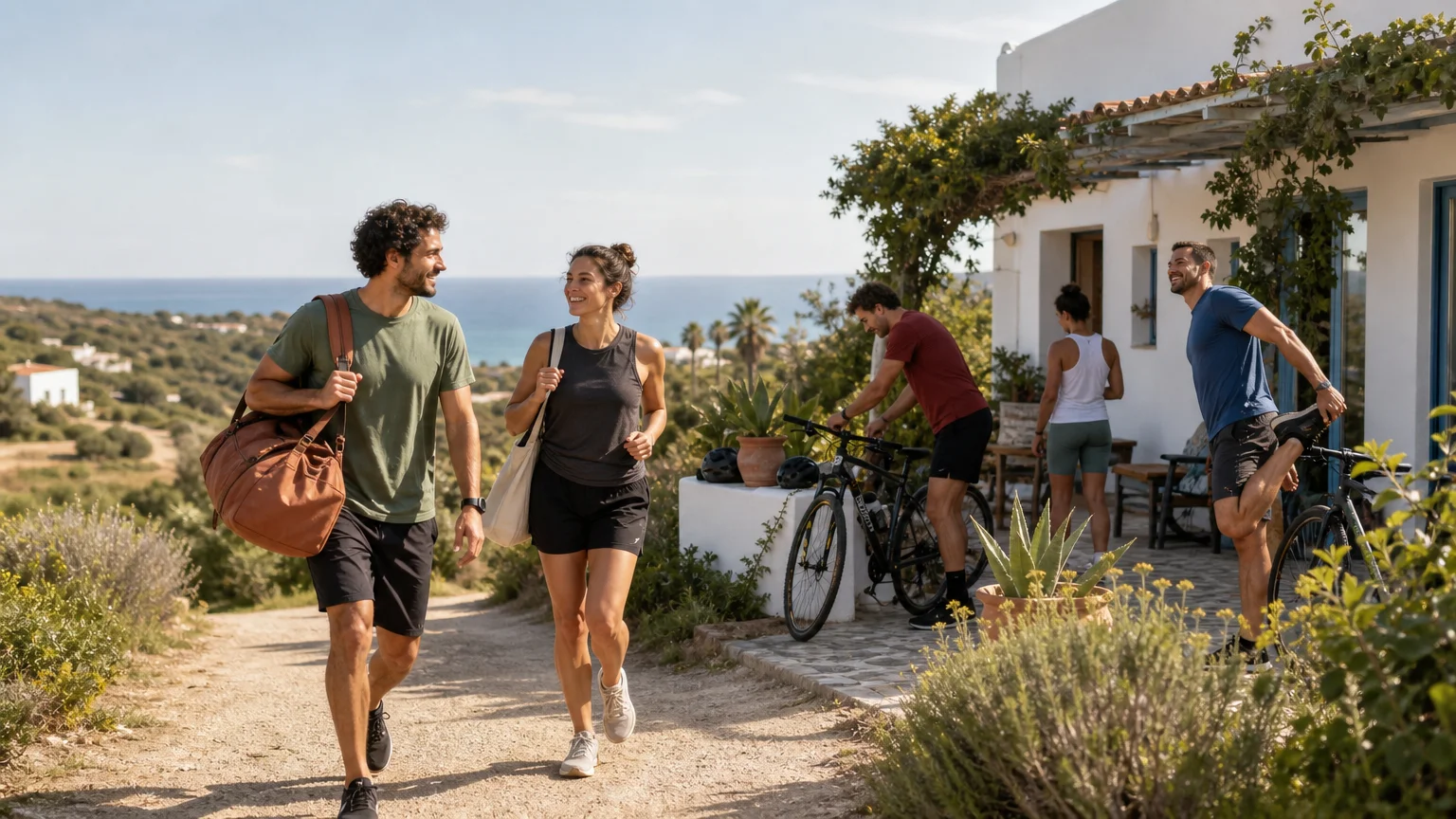
The value is not limited to having a treadmill or a yoga mat. It comes from combining private accommodation with shared spaces, local knowledge and people who may also want to move, explore or recover. A morning walk can become a regular habit. A shared surf session can become a social anchor. A short workout can fit between two calls because the equipment is nearby.
There is also a useful psychological effect. When other residents are preparing for a run, stretching in the garden or planning a weekend hike, movement becomes visible and socially normal. You do not need to join every activity, but the surrounding rhythm can make consistency easier.
Good coliving still protects your independence. You should be able to train with others, participate occasionally or keep your routine private. That balance matters for remote workers who need both community and uninterrupted time.
Which sports and activities work best in coliving spaces?
There is no single definition of a sports coliving. Some spaces focus on athletes and structured training. Others provide basic fitness equipment and help residents discover local activities. Coastal properties may revolve around surfing, paddleboarding, swimming and hiking, while mountain locations may prioritise skiing, cycling and trail sports.
The 2026 edition of the National Sporting Goods Association study examines participation in 61 sports and recreational activities, using participation data from 2025. Its scope includes activities such as hiking, running, swimming, cycling, yoga, weight lifting, kayaking and skiing, as described in the NSGA sports participation study. This range illustrates why you should choose a property based on your actual routine rather than the general label “active coliving”.
| Activity model | Typical examples | Suitable for | What to check |
|---|---|---|---|
| Independent indoor training | Strength work, mobility, yoga, bodyweight sessions | Residents who value flexibility and privacy | Equipment, space, opening hours and cleaning rules |
| Community sessions | Group workouts, breathwork, walks or shared challenges | Residents motivated by routine and social support | Frequency, group size and whether participation is optional |
| Local outdoor activities | Surfing, hiking, sailing, running or paddleboarding | People seeking sport and regional exploration | Transport, guides, weather and partner availability |
| Seasonal sports | Skiing, snowboarding, open-water swimming or beach activities | Travellers choosing a destination around one sport | Season dates, rentals, local conditions and workspace access |
At POMAR, we support several ways to combine work, movement and local life in the Algarve. Residents can explore activities at the coliving, while the weekly schedule can be shaped around residents’ interests. Specific activities, prices and partner capacity can vary, so it is sensible to confirm the details before arrival.
Should you choose organised activities or self-directed exercise?
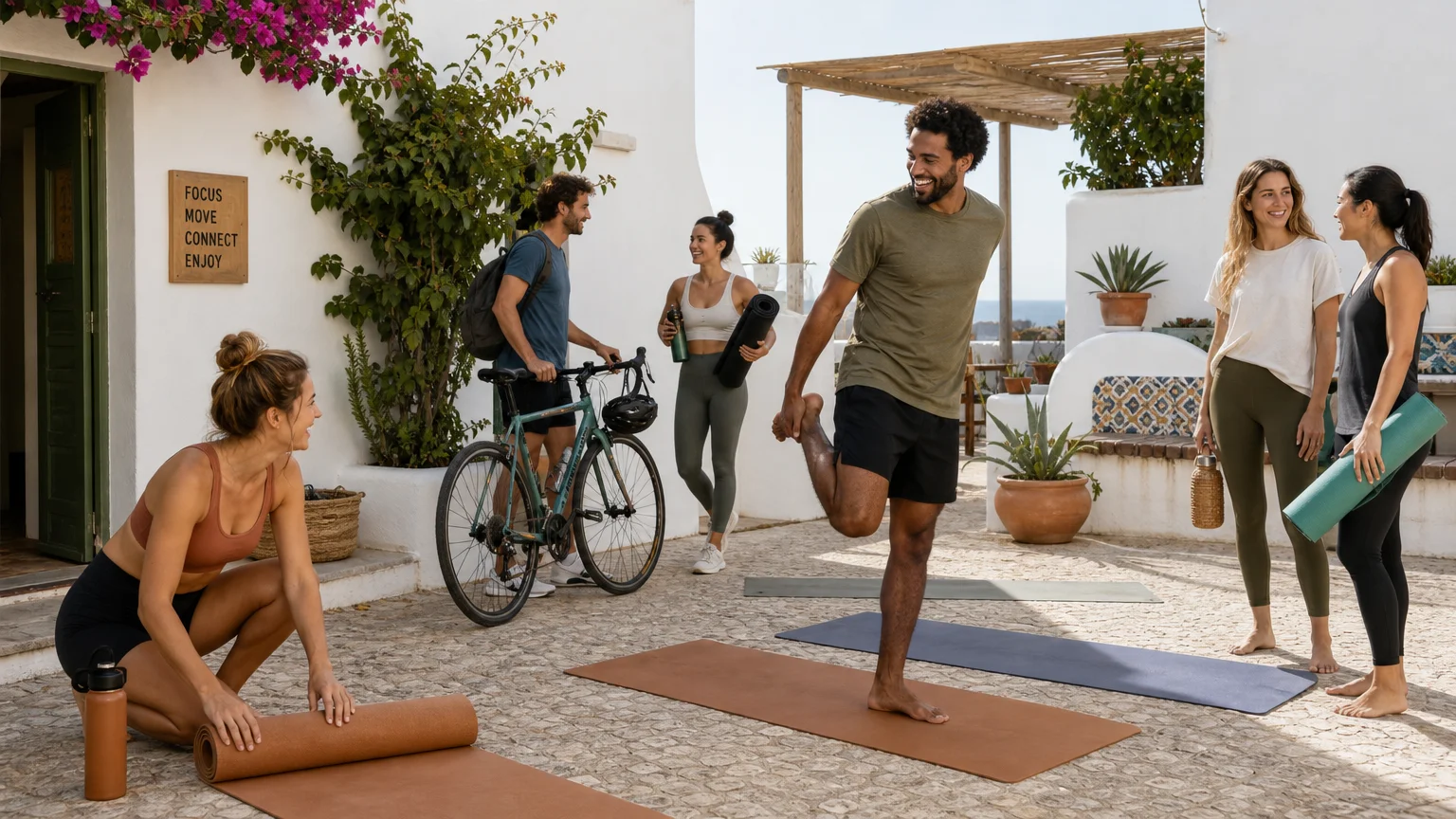
Organised activities offer structure, but they should not turn your stay into a compulsory training camp. The most useful model gives you several levels of participation. You might join a morning session, arrange a local excursion with other residents or exercise alone when your workload is demanding.
Organised outdoor activities are particularly valuable when you are new to a destination. Local hosts or partners may know which beaches suit beginners, which paths are practical without a car and which conditions make an activity safer or more enjoyable. That local context can save time and reduce the risk of choosing an unsuitable route.
Self-directed exercise has a different advantage. It lets you maintain your own intensity, schedule and privacy. A private room, quiet outdoor area or nearby trail may be more useful than a crowded group session, especially when you are managing deadlines, recovery or jet lag.
Before booking, ask whether the programme is fixed or co-created. At POMAR, the weekly schedule is built around activities that interest residents, with options that can include surfing, hiking, sailing, running, yoga and stand-up paddleboarding. That approach leaves room for spontaneous plans without making social participation a requirement.
For a coastal stay, you can also consider surfing, kitesurfing, and SUP near the coliving. These activities are best treated as location-dependent experiences. Weather, instructor schedules, transport and individual ability can all affect what is available during your stay.
Which facilities support fitness, recovery and well-being?
A sports-friendly coliving should be evaluated as a complete environment, not by one attractive amenity. A small indoor gym may be enough for mobility and strength maintenance. A nearby trail may matter more to a runner. A quiet garden, pool or recovery area may be decisive for someone balancing intense work with physical training.
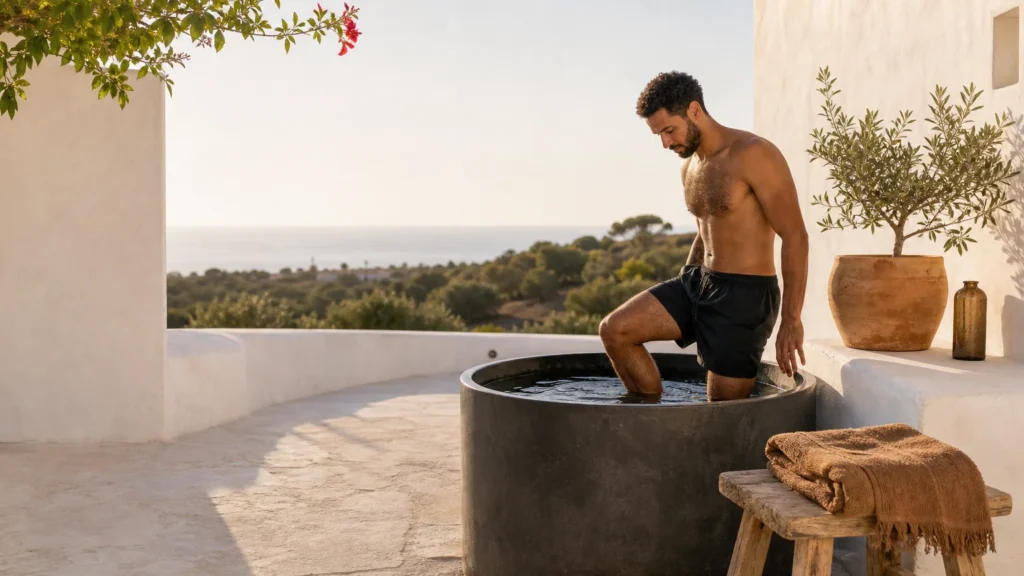
Useful fitness facilities can include indoor or outdoor gyms, open areas for stretching, bicycles, yoga equipment, showers and secure storage. Recovery features may include ice baths, breathwork, quiet spaces and access to wellness sessions. You should also check whether these facilities are included, shared, optional or dependent on advance booking.
Industry programming offers a useful comparison point. A 2026 recreation industry survey listed group exercise programmes among the most common programme types at 62.7% of responding facilities, fitness programmes at 58.4% and mind-body programmes such as yoga and tai chi at 54.8%, according to the 2026 industry report. These figures describe recreation facilities, not coliving properties, but they show why programming and equipment should be considered separately.
At POMAR, we provide indoor and outdoor gym options, ice baths and guided breathwork among the available fitness and wellness features. Equipment lists, opening hours and exact availability can differ by location, so ask for current details when planning a longer stay.
What does sports participation cost in a coliving?
Sports may be included in the accommodation, arranged as a community activity or charged separately. The difference is important because a low room price can become less attractive if you need to pay for transport, equipment hire, classes and access to a local gym.
Ask for a clear distinction between included amenities and optional extras. Accommodation may include access to a gym, bikes or shared outdoor areas, while guided sessions, rentals, transfers and specialist instruction may cost more. This structure is normal, provided the terms are explained before booking.
At POMAR, published 2026 examples for optional services include yoga at €12 per person, ice baths at €8 per person and stand-up paddle rental at €25 per day. Transfers start from €30, while car rental, coaching, boat trips and selected arrangements require consultation. Prices may change, and availability can depend on partners, capacity and weather.
You should also ask about minimum stays, cancellation terms and the practical cost of reaching activities. A countryside location may offer more space and quiet, while a coastal or village setting may make daily outdoor activities easier without a car.
How can you choose the right sports coliving?
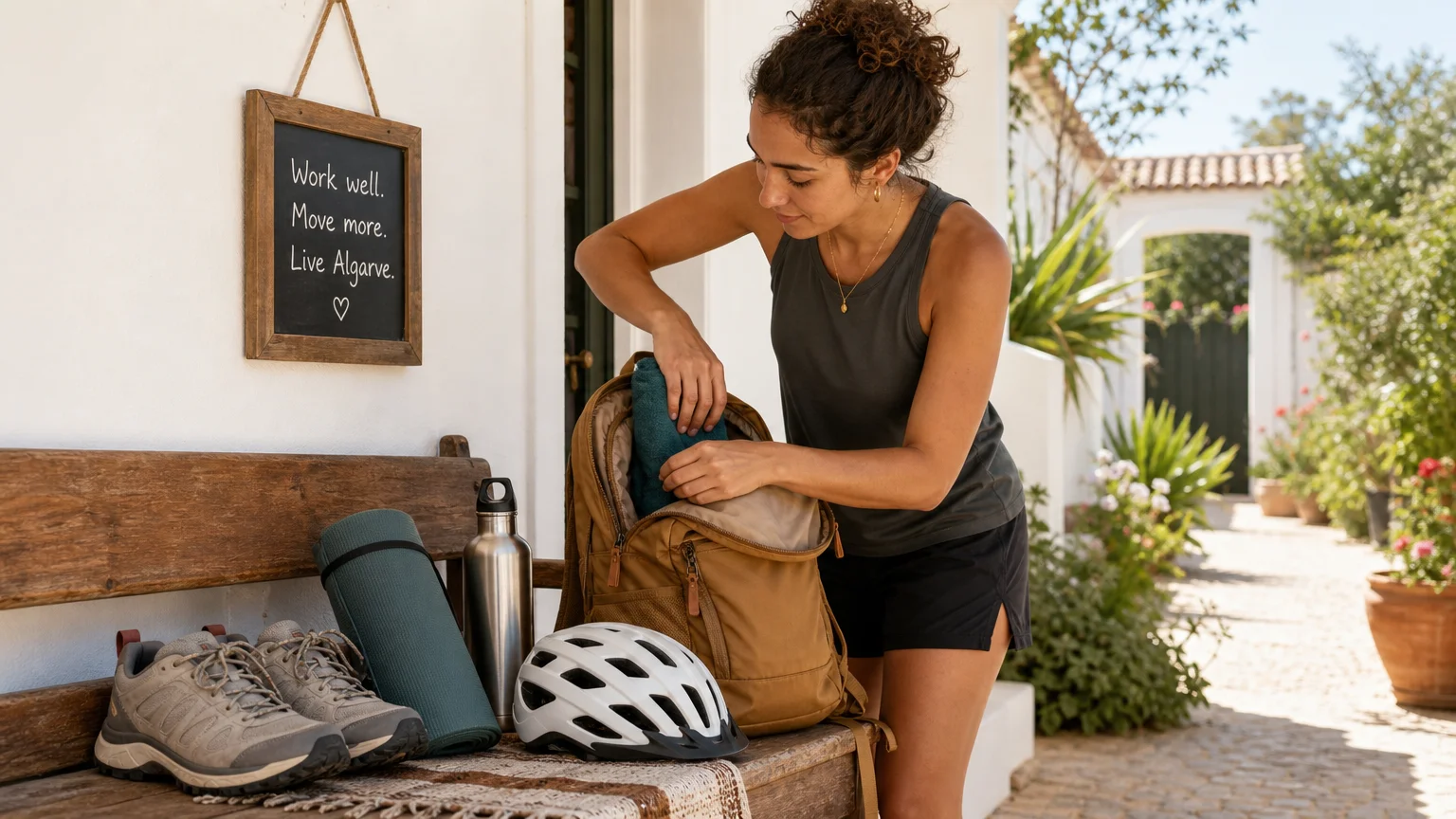
The best choice depends on how you actually exercise. A serious athlete may need specialist equipment, secure storage and reliable recovery support. A remote worker may prefer a comfortable gym, nearby walking routes and occasional group activities. A beginner may value local guidance and a welcoming community more than advanced facilities.
Use these questions before you commit:
- What can you do independently? Check whether you can exercise without joining a scheduled session.
- What is included? Separate accommodation features from paid classes, rentals and guided experiences.
- How accessible is the location? Consider beaches, trails, gyms, shops, public transport and car requirements.
- What happens during bad weather? Confirm whether indoor options can support your routine outside the main season.
- How much privacy do you need? Ask about private rooms, quiet periods, shared spaces and the ability to opt out.
- Who organises the activities? Understand whether sessions are host-led, partner-led or resident-led.
Location should match the sport you want to practise. In the Algarve, water sports and hiking can complement a workation, but you should still examine transport and seasonal conditions. Our guide to hiking around Olhao and the Algarve can help you think about the wider landscape beyond the house itself.
Community culture is equally important. A property may advertise many activities, but the experience depends on whether residents can participate without pressure and whether the hosts communicate clearly. Look for a balance between shared dinners, optional activities, productive workspaces and time alone.
How can sports improve the coliving experience?
Sport can become more than a wellness extra. It can create a simple way to meet people without forcing constant conversation. Walking, swimming, cycling or preparing for a group session gives residents a shared purpose, which often feels more natural than an organised networking event.
It can also support work-life balance. A physical transition between work and leisure helps separate the end of a call from the beginning of the evening. Even a short walk to the beach or a mobility routine in the garden can mark that change.
However, sports should not become the only route to belonging. Residents have different bodies, abilities, schedules and interests. An inclusive coliving space offers social connection through meals, workshops, local experiences and conversation as well as physical activity.
At POMAR, we combine optional outdoor activities with community dinners, workshops, talks, skill-sharing and brainstorming. This creates several ways to connect, whether you want to train with others, explore independently or focus quietly on your work.
Make movement part of a sustainable routine
The most useful sports coliving is not necessarily the one with the largest gym or the longest activity list. It is the place where facilities, location, community, privacy, pricing and work infrastructure support the routine you can realistically maintain. Before booking, confirm what is included, what requires payment, how activities are organised and whether the local environment suits your preferred sports.
Build an active workation in the Algarve
If you want to combine focused work with outdoor activity, recovery and a welcoming shared environment, a hosted coliving stay can simplify the practical details.
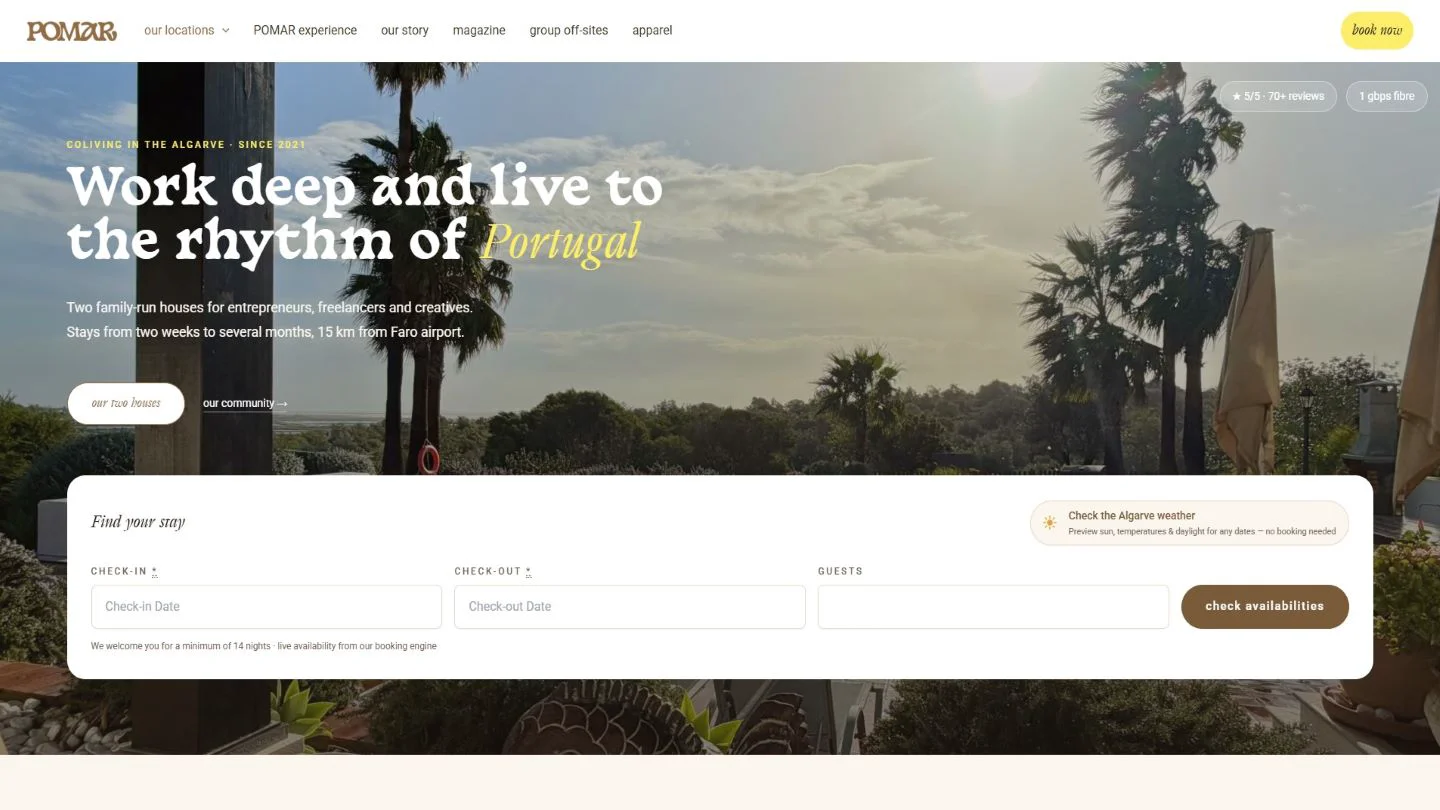
At POMAR, we provide private rooms, coworking spaces, on-site hosts, fitness and wellness options, community programming and support with local activities in the Algarve. Explore our coliving in the Algarve and choose the setting that fits your work, sports and lifestyle needs.
Frequently Asked Questions
What sports can you practise in a coliving space?
Options vary from independent workouts, yoga and mobility sessions to hiking, running, swimming, surfing, cycling and paddleboarding. The available activities depend on the property, local environment, season, equipment and partner capacity.
Are sports facilities usually included in coliving fees?
Some spaces include basic gym access, outdoor areas, bicycles or shared equipment. Guided sessions, rentals, transport, specialist instruction and certain wellness services may cost extra, so you should request a detailed list before booking.
Can you exercise privately in a sports-focused coliving?
Many coliving spaces combine private bedrooms with shared fitness and outdoor areas. Ask about quiet spaces, room privacy, opening hours and whether you can use facilities independently rather than joining group activities.
Is coliving suitable for serious athletes?
It can be suitable for athletes who need a flexible base, but not every property offers specialist equipment, secure storage or high-performance recovery support. Confirm the facilities, training environment, transport and access to professional services before making a longer commitment.
What sports and wellness options are available at POMAR?
At POMAR, residents can access indoor and outdoor gym options, ice baths, guided breathwork and organised activities such as surfing, hiking, sailing, running, yoga and stand-up paddleboarding. Exact schedules, prices and availability can vary by location, season and partner arrangements.