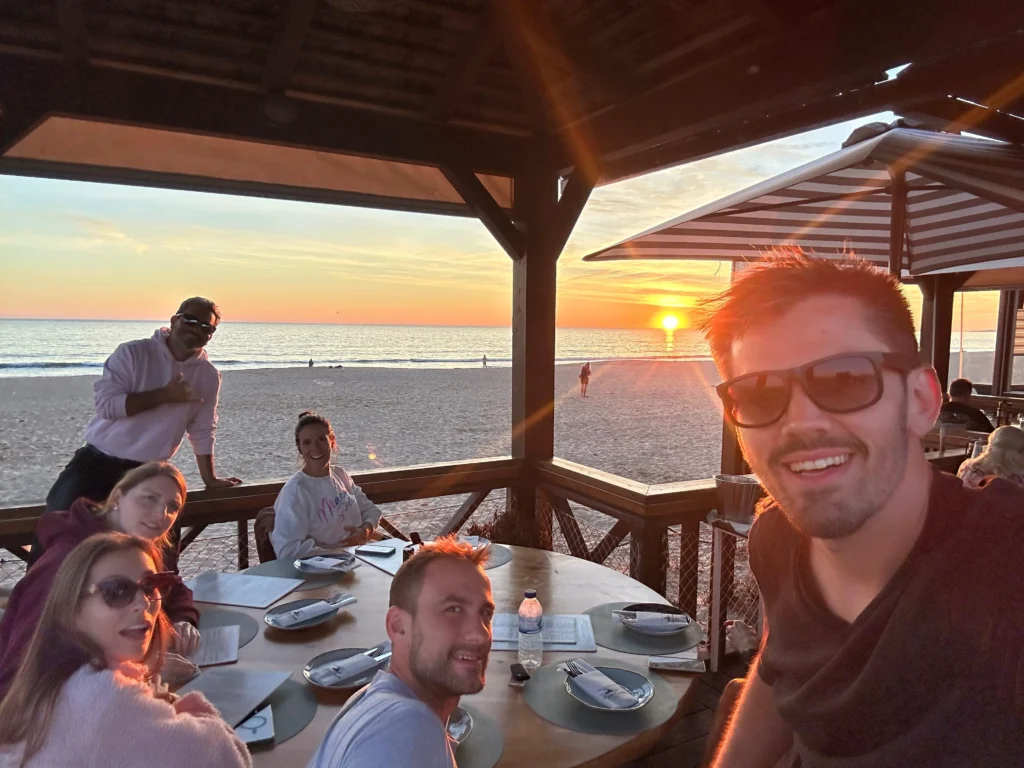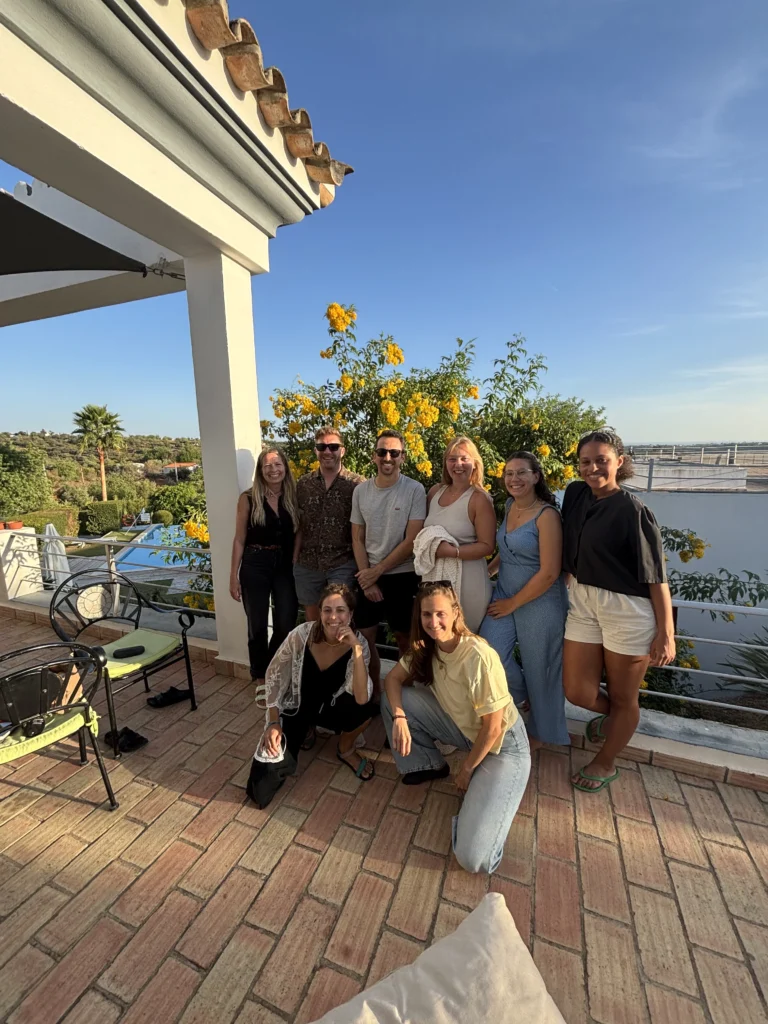
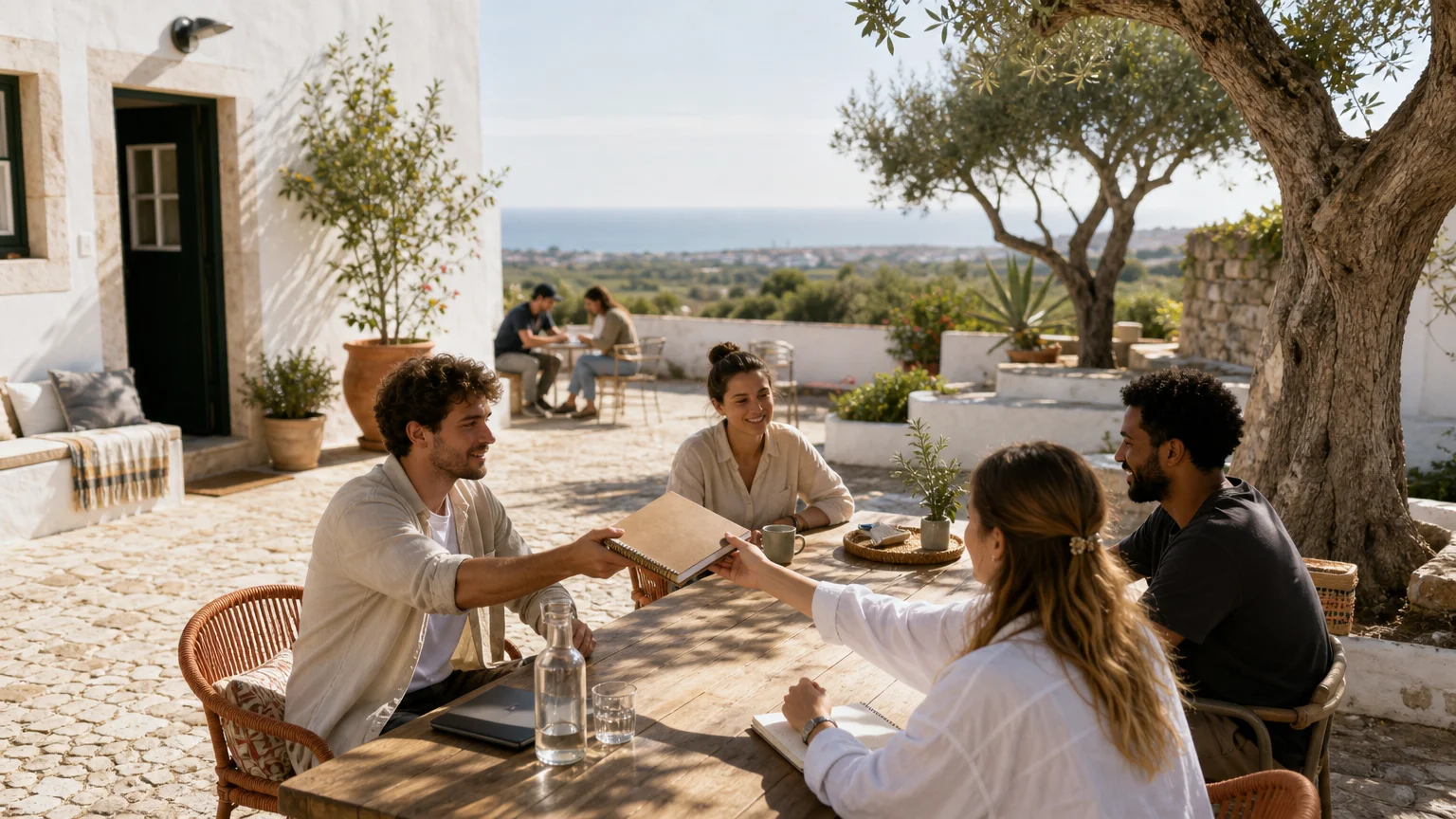
Summary: A rural coliving exchange can mean either a peer-learning partnership between coliving operators or a work exchange where guests contribute time in return for accommodation. Both models combine shared living, remote work, cultural immersion, and community participation. The right choice depends on your goals, skills, privacy needs, budget, and willingness to contribute.
What if your next rural stay could offer more than a quiet room and a reliable desk? A our coliving volunteer program can help you understand the community side of shared living, where welcoming people, organizing activities, and maintaining common spaces become part of the experience. A rural coliving exchange applies this principle in a broader setting, connecting people through work, learning, local culture, and everyday participation.
The phrase can describe two related but different arrangements. You might join a professional exchange between rural coliving operators, or volunteer at a coliving space in return for reduced costs or accommodation. In 2026, research and regional policy discussions increasingly connect rural coworking, temporary living, digital infrastructure, and local development. A 2026 EDIN report presents rural coliving as one model that combines remote work with community-rooted living.
What does a rural coliving exchange actually involve?
A rural coliving exchange is a structured way to share more than a building. Participants exchange knowledge, time, skills, or professional experience while living and working in a rural environment. The arrangement may last several days, a few weeks, or an entire season, depending on the host, the project, and the responsibilities involved.
The first model is an operator-to-operator exchange. Founders, community managers, or hosts visit another coliving space to observe its routines, governance, activities, and relationship with local residents. They may organize workshops, compare operating methods, test new community formats, or develop joint projects. This type of exchange is particularly useful when a rural space wants to improve its coworking offer or strengthen its local role.
The second model is an individual work exchange. A guest helps with tasks such as check-ins, housekeeping, gardening, cooking, social media, maintenance, or community activities. In return, the host may provide a private room, a shared room, a reduced rate, or access to shared facilities. The exact arrangement must be clarified before arrival because “volunteering” does not always mean free accommodation.
These models share a common principle: the participant is not only consuming a destination. They are contributing to the rhythm of the place. That contribution could involve professional insight, practical work, cultural knowledge, creative energy, or simply active participation in community life.
Why can rural exchange be more meaningful than ordinary accommodation?
Imagine arriving in a small village where you know nobody. A standard rental may give you privacy, but it does not automatically provide colleagues, local contacts, or a social routine. A rural coliving exchange reduces that distance by creating repeated opportunities to work, eat, learn, and solve problems with other people.
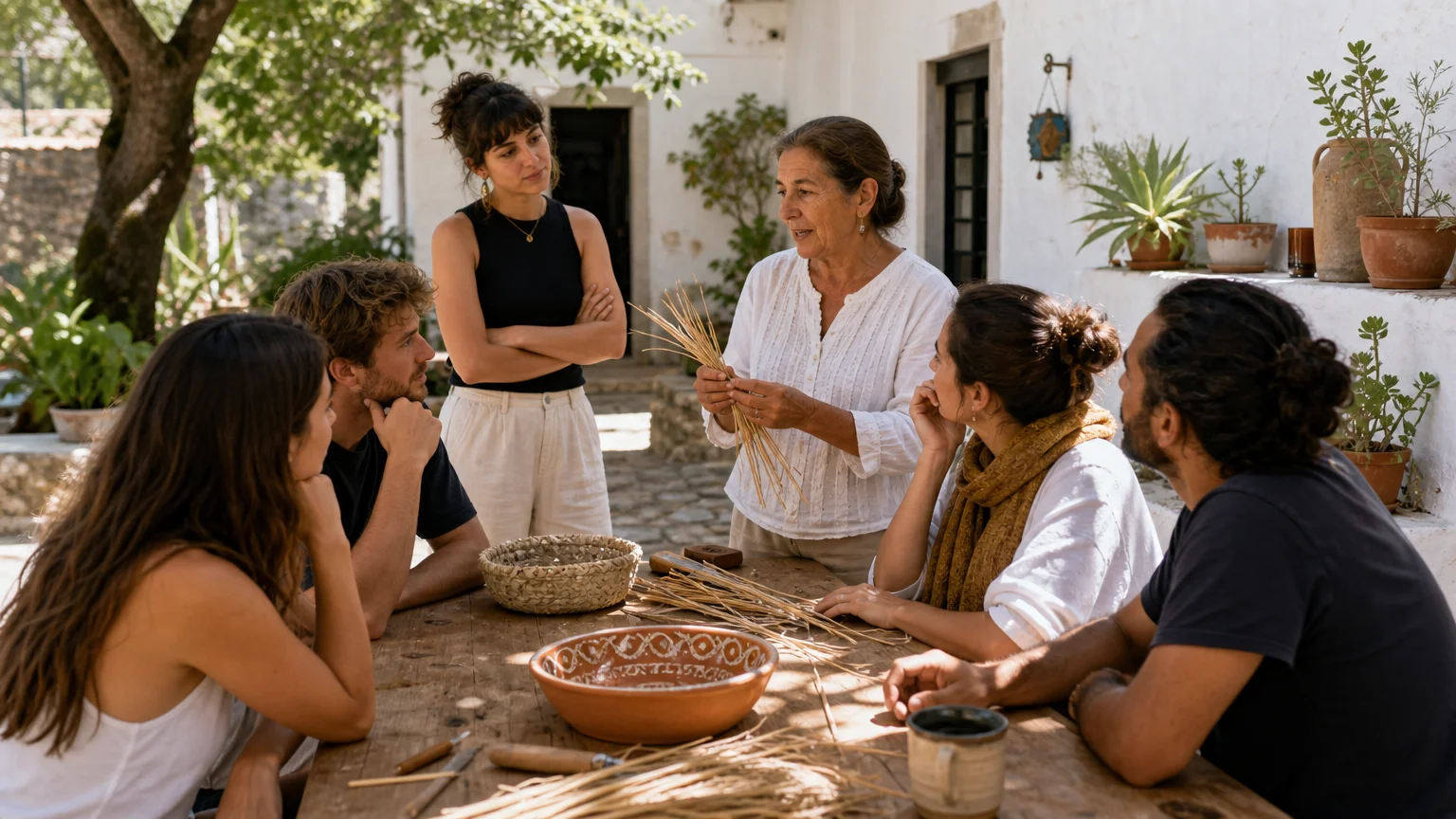
The value comes from intentional community. Shared kitchens, coworking rooms, family dinners, workshops, and local activities create natural contact without requiring constant networking. You still need personal space, but the environment makes connection easier than an isolated apartment or a purely tourist-oriented property.
Rural settings also change the type of interaction. In a large city, you may attend events with people who remain temporary acquaintances. In a village, your daily choices are more visible. You may buy food from nearby producers, speak with local associations, join a village event, or ask for advice about transport and seasonal customs. Those encounters can turn a short stay into a more grounded experience.
An academic study on rural coworking models identifies several connected value propositions, including shared exchange platforms, workspaces, leisure services, and workation or co-living offers. It also notes that rural spaces often face practical barriers involving infrastructure and transport, which means community design must work alongside reliable operations. The findings are available in this academic rural coworking study.
This is why a strong exchange is not simply a cheaper way to travel. It is a learning environment. You may understand how another community makes decisions, discover a local craft, improve your hosting skills, or develop a professional collaboration that would not have emerged through a short holiday.
What do participants exchange besides accommodation?
A successful exchange begins with a clear value proposition on both sides. The host should know what the participant can contribute, while the participant should understand what they will receive. Ambiguity creates frustration, especially when the agreement involves unpaid work.
Time and practical support
Individual volunteers may support arrival coordination, cleaning routines, breakfast preparation, gardening, maintenance, activity setup, or guest communication. These tasks can be rewarding, but they still represent real work. Ask how many hours are expected, whether schedules change during busy periods, and whether weekends or evenings are included.
Professional knowledge
Operator exchanges usually focus on methods rather than chores. Participants may compare community management, booking processes, local partnerships, event formats, sustainability practices, or coworking design. A host might ask for feedback on a new rural hub, while a visiting operator may study how another space welcomes residents and involves local people.
Cultural participation
Food, language, music, crafts, farming, outdoor activities, and local celebrations can all become part of the exchange. The best experiences do not treat rural culture as a backdrop. They involve local residents as partners, hosts, teachers, organizers, or participants.
Ideas and relationships
Remote workers bring professional diversity into places that may have limited access to international networks. Designers, developers, writers, coaches, researchers, and entrepreneurs can share practical knowledge through informal conversations or structured sessions. Local residents may contribute equally valuable knowledge about the territory, its history, its needs, and its opportunities.
For a participant seeking a more structured community role, our resources on how to find the best coliving communities can help you evaluate the atmosphere, hosting approach, and expectations before committing.
How can an exchange support rural communities?
The local impact depends less on the number of visitors than on the quality of their connection with the territory. A rural coliving can become an isolated international bubble, or it can help create bridges between residents, entrepreneurs, associations, and local businesses.
One practical benefit is extended visitor spending. People who stay for several weeks may use local shops, cafés, markets, transport providers, guides, repair services, and activity businesses. Their spending is not automatically transformative, but longer stays can distribute economic activity more widely than short visits.
A second benefit is knowledge exchange. A local association may gain access to communication skills, digital tools, or workshop support. A visiting professional may learn how to design a project around local needs rather than importing an unsuitable urban model. This two-way process is more constructive than treating rural residents as passive recipients of outside expertise.
A 2025 Spain regional report describes a €123,800 rural coliving pilot allocated by the Government of Galicia. The example illustrates how public authorities can view rural coliving as part of wider strategies for entrepreneurship, connectivity, and territorial revitalization, rather than only as accommodation. You can review the reference in the Spain regional report.
There are also cultural benefits. An exchange may support an exhibition, a traditional cooking session, a village meeting, a creative residency, or a public workshop. These activities can help preserve local knowledge while giving it new audiences. However, they should be developed with local consent and participation, not imposed as entertainment for visitors.
At POMAR, we approach this connection through hosted community life, local activities, dinners, workshops, and practical support for exploring the Algarve. Our perspective on how colivings support local economies explains why relationships with nearby businesses and communities matter to the overall experience.
How should you choose a rural coliving exchange in 2026?
There is no universal exchange format. The right option depends on whether you want professional learning, affordable accommodation, a creative retreat, cultural immersion, or a practical role within a community.
A 2026 Regional Studies Association conference summary draws on the REMAKING survey of 14,000 knowledge workers across six European countries. It describes residential preferences and intentions, not confirmed relocations, but it shows why rural and non-urban destinations are increasingly part of the remote-work conversation. Read the 2026 regional futures research summary for context.
Start with the work environment
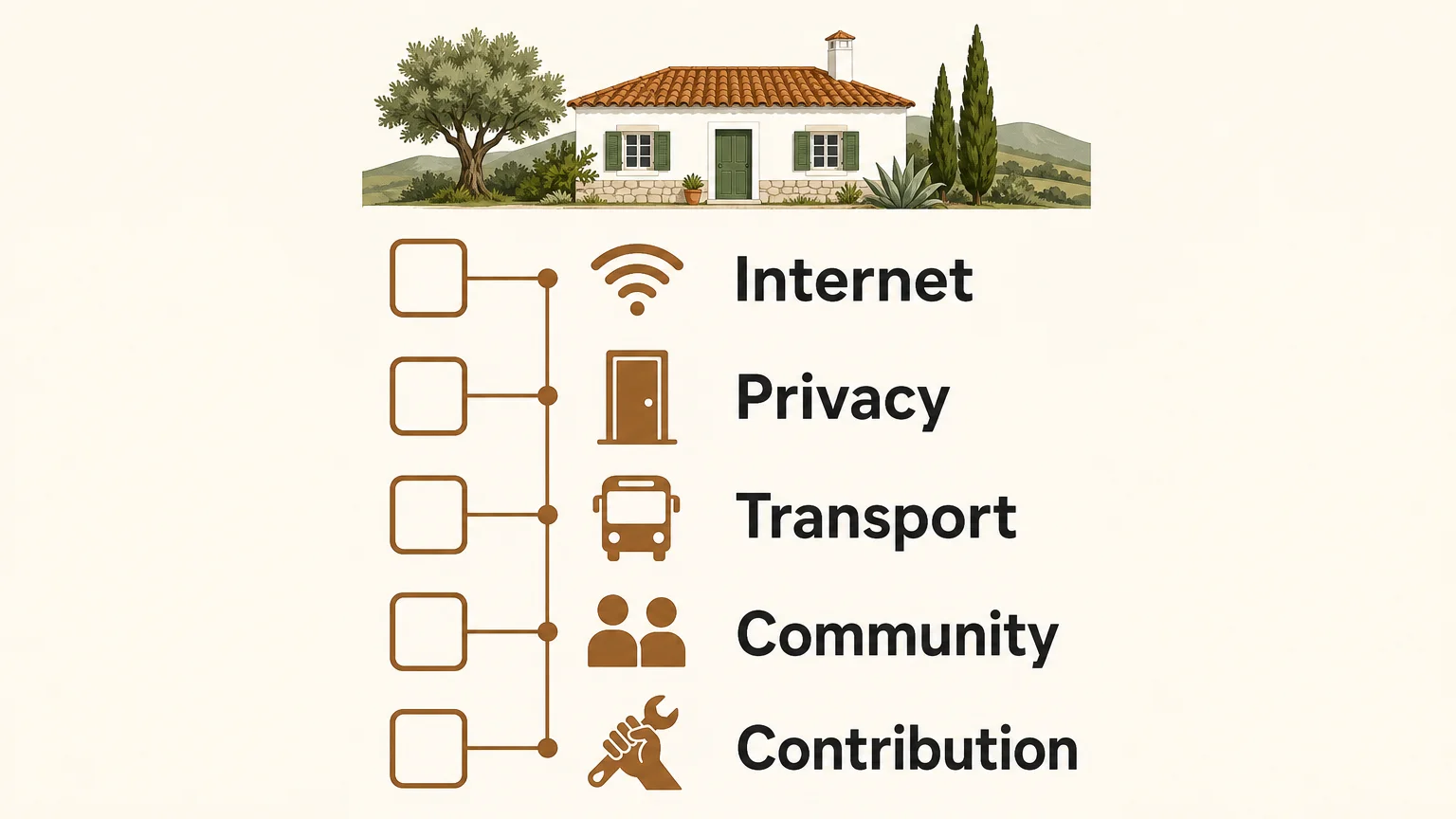
Ask whether the internet is suitable for video calls, file transfers, and your normal workload. Confirm whether the workspace has ergonomic seating, monitors, Ethernet access, quiet areas, and places for private calls. In rural locations, connectivity is not a luxury. It is part of the basic service.
Check the community structure
Find out who hosts the space and whether someone is present on site. Ask how newcomers are welcomed, which activities are regular, and how much participation is expected. A friendly website does not necessarily indicate an active community, so recent guest feedback and direct conversations are valuable.
Understand transport and daily life
Rural beauty often comes with fewer shops, restaurants, and public transport options. Confirm how far you are from groceries, pharmacies, cafés, healthcare, and transport connections. Ask whether a car is necessary and whether the host can help with transfers, rentals, or weekly shopping.
Compare the full cost
Do not compare only the nightly rate. Include utilities, coworking, cleaning, laundry, transport, food, activities, deposits, and possible equipment costs. A lower room price may not remain lower after you add the services needed for comfortable remote work.
Clarify the contribution
If you are volunteering, request a written outline of tasks, hours, accommodation, meals, days off, and cancellation terms. If you are joining a professional exchange, agree on the learning objectives, deliverables, schedule, and ownership of any materials created during the project.
What should you clarify before booking or volunteering?
The most successful exchanges begin with practical questions. These conversations may feel detailed, but they protect both the participant and the host from mismatched expectations.
- Accommodation: Is the bedroom private? Is the bathroom shared? Can rooms be changed if availability permits?
- Working conditions: What internet performance, desks, chairs, screens, and call spaces are available?
- Schedule: How many hours are expected, and are tasks fixed or flexible?
- Community: How many people usually live there, and what happens during a normal week?
- Local access: How do guests reach supermarkets, villages, beaches, trails, or public transport?
- Policies: What are the deposit, cancellation, modification, early-departure, and no-show rules?
- Personal suitability: Are children, pets, partners, or roommates permitted?
Privacy deserves particular attention. Coliving does not mean that you must share a bedroom with strangers, but some spaces offer shared rooms or double rooms under specific conditions. Before reserving, review our coliving housing options and compare the balance between private space and shared life.
You should also ask how disagreements are handled. A community may have house meetings, quiet hours, shared cleaning systems, or a host who mediates practical issues. These structures are not signs of rigidity. They help people with different routines live together respectfully.
Is a rural coliving exchange right for you?
This model may suit you if you value meaningful interaction, flexible work, nature, and a slower daily rhythm. It can be particularly useful during a professional transition, a creative project, a research period, or a longer trip when you want more connection than a hotel can provide.
You may also benefit if you are willing to contribute. Contribution does not require constant sociability, but it does require reliability. You may be asked to attend a meeting, cook for others, share your expertise, help with an event, or respect a community agreement.
The model may be less suitable if you expect complete anonymity, nightlife within walking distance, hotel-style service, or an entirely predictable schedule. Rural homes can be quieter, transport can be limited, and community life requires patience. These are not defects, but they are important trade-offs.
For operators, an exchange can reveal what your own space does well and where it needs improvement. Visiting another community may provide new ideas about governance, local partnerships, accessibility, programming, and resident experience. The most useful lessons are often practical and specific, rather than theoretical.
Choose participation over passive travel
A rural coliving exchange works best when accommodation, work, and community are designed as one experience. Before you commit, clarify the exchange model, expected contribution, working conditions, privacy, transport, costs, and cancellation rules. Then choose a place where your skills and expectations match the rhythm of the host community. The result can be more than a temporary stay. It can become a practical learning experience, a professional connection, and a respectful way to participate in rural life.
Take action with POMAR coliving
If you want the social value of shared living without sacrificing a professional work environment, the Algarve offers a balanced setting for a longer stay. POMAR connects private-room accommodation with coworking, hosted community activities, local guidance, and spaces designed for remote work.
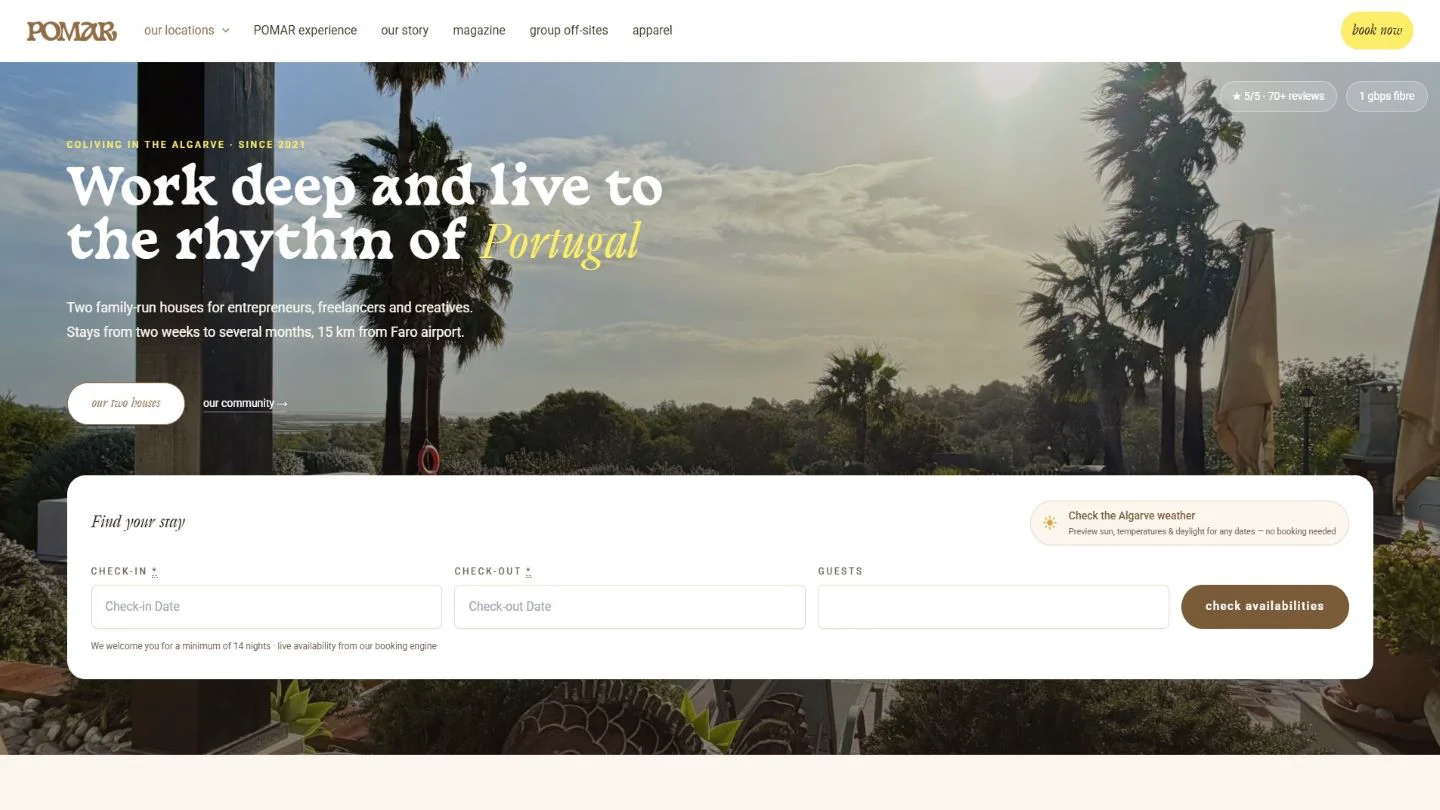
At our locations in Estoi and Olhão, you can work with high-speed connectivity, join community dinners and workshops, use shared living areas, and explore the region through organized activities or local recommendations. Our team can also help with practical arrangements such as transfers, groceries, rentals, and selected experiences. Learn more about coliving in the Algarve and consider whether a hosted rural or coastal base fits your next project.
Frequently Asked Questions
Is a rural coliving exchange the same as volunteering?
Not always. It can describe a volunteer arrangement involving practical work in return for accommodation, or a professional exchange between coliving operators who share methods, ideas, and community practices.
Can you work remotely during a rural coliving exchange?
Many spaces are designed for remote workers, but you should verify internet reliability, workspace quality, private call areas, and quiet hours before booking. Rural locations may also have fewer backup options if the main workspace is full.
Does a work exchange always include free accommodation?
No. Some hosts provide a free room, while others offer reduced rates, shared accommodation, meals, or selected benefits. Confirm the exact hours, duties, accommodation type, and inclusions in writing.
How can you avoid feeling isolated in a rural location?
Choose a space with active hosting, regular community activities, and clear opportunities to meet local residents. You should also confirm transport options and the distance to essential services before arrival.
Can POMAR accommodate every type of rural exchange?
POMAR provides hosted coliving, coworking access, community programming, and arrangements for professional events or group stays. Standard shared coliving does not accommodate children or pets, while private arrangements may be discussed for suitable groups.