Summary: Coworking and coliving combine a flexible place to live with a professional environment for focused work, social connection, and local experiences. The model can suit remote workers, freelancers, entrepreneurs, and digital nomads, but the best choice depends on privacy, internet reliability, stay length, community fit, and the quality of the workspace.
What if your accommodation could support your workday, social life, and recovery without requiring several separate bookings? For many remote professionals, that appeal becomes clearer through our coworking and coliving community, where private accommodation, shared spaces, and professional routines can exist together.
The model is gaining practical relevance rather than relying only on travel appeal. In Q2 2026, industry data reported almost 9,400 coworking locations across the United States, showing that flexible workspaces continue to expand beyond temporary experiments. The same principle applies to coliving, where furnished housing and community support can reduce the friction of starting work and life in a new place.
What do coworking and coliving actually combine?
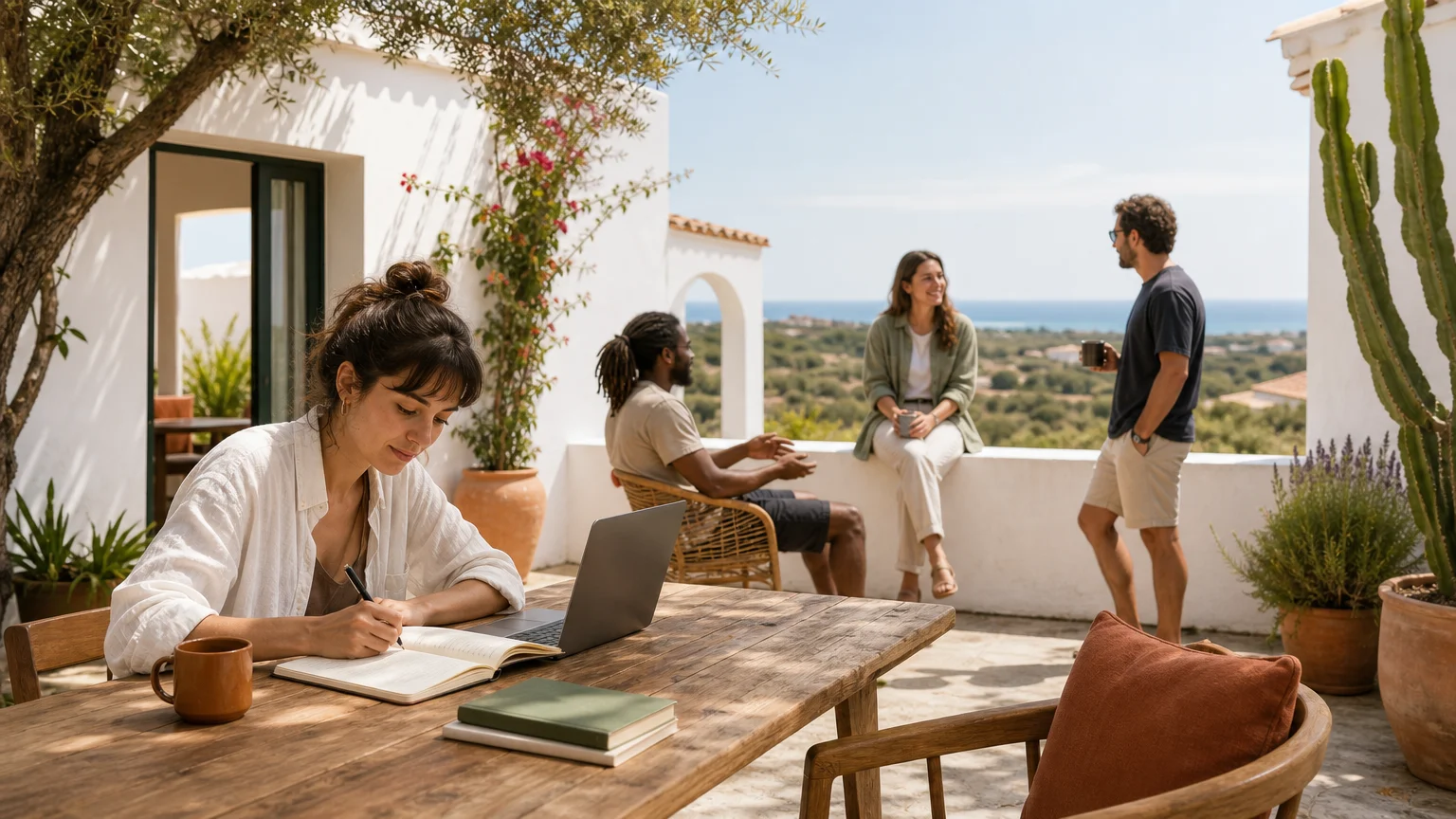
Coliving describes the living arrangement. You usually have a private bedroom, while kitchens, lounges, gardens, and other areas are shared. Depending on the operator, the stay may include housekeeping, utilities, social activities, local support, or access to wellness facilities.
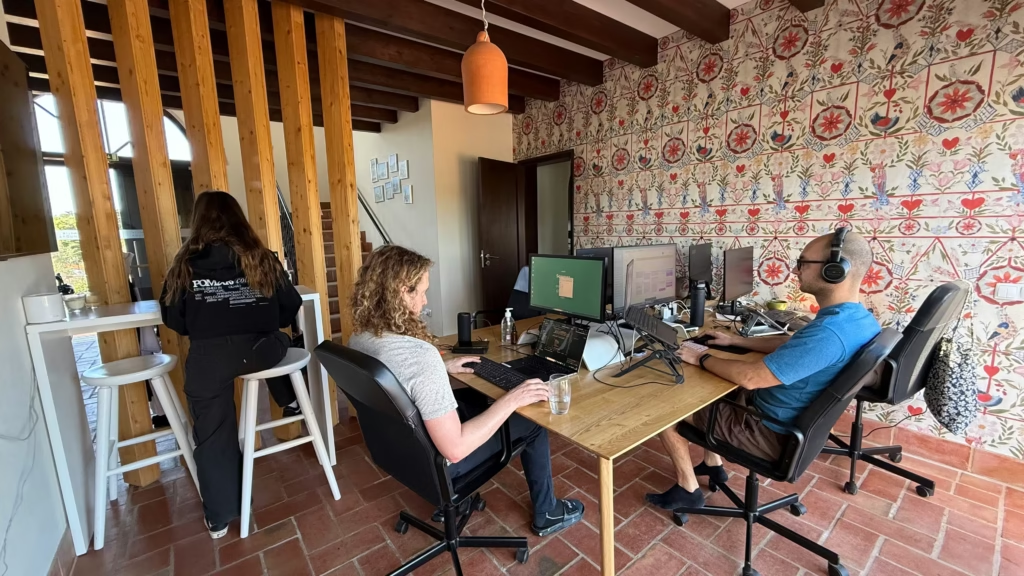
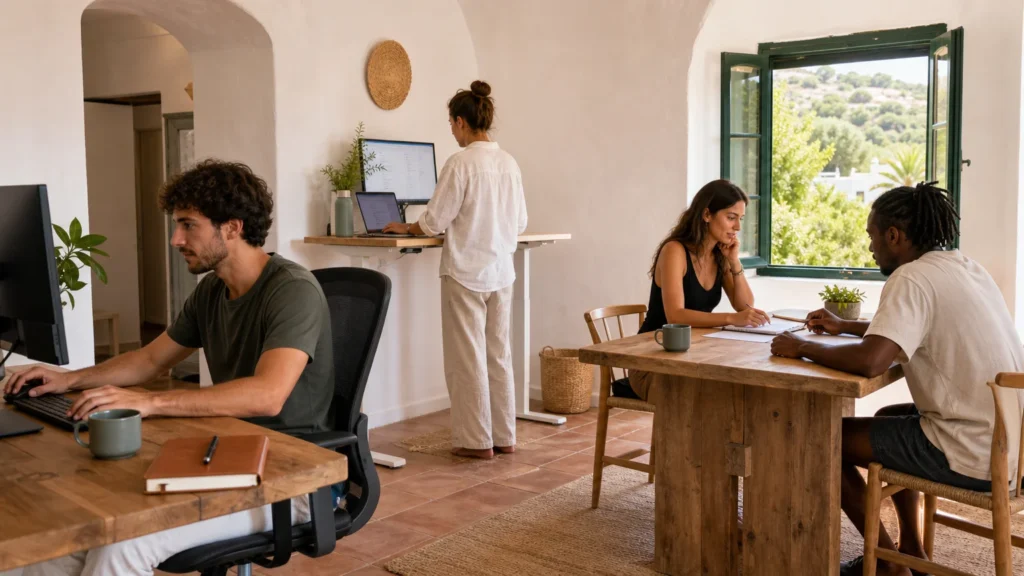
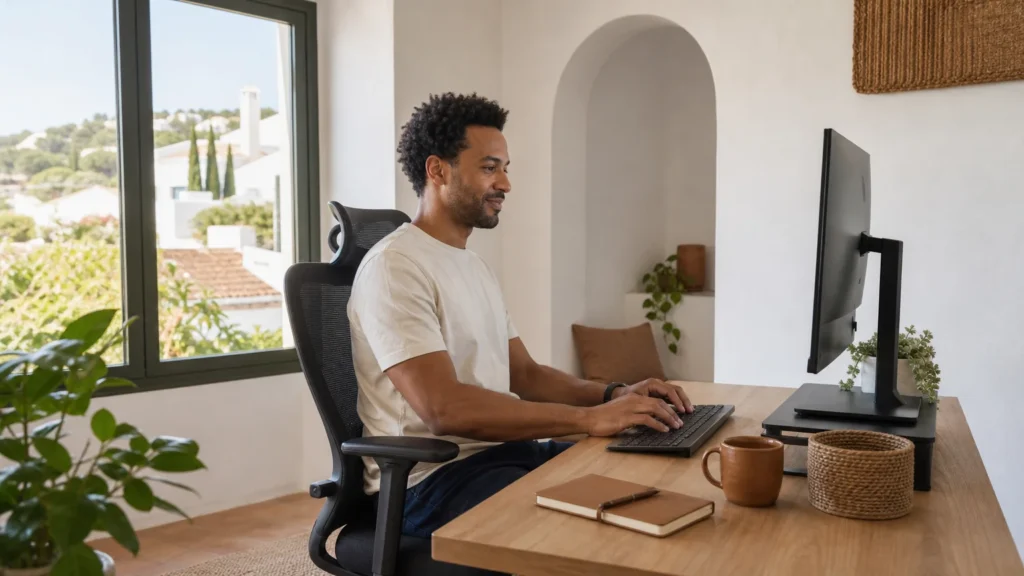
Coworking describes the work environment. It can include a desk, strong internet, meeting rooms, phone-call areas, ergonomic seating, monitors, and a professional atmosphere. Some spaces are open to local members, while others reserve work areas for residents.
When the two are combined, the benefit is not simply convenience. You can reduce the number of decisions required after arriving in a new destination. Your room, workspace, internet connection, and social environment are coordinated instead of being assembled separately.
This arrangement is different from a hostel, where shared bedrooms and short stays are common. It is also different from a standard holiday rental, where you may receive accommodation without a professional workspace or hosted community. The quality of the experience depends on how thoughtfully the living and working elements support one another.
Why is the model relevant to remote professionals in 2026?
More than a change of scenery is involved. Remote workers often need a stable routine, reliable connectivity, and opportunities to interact with people beyond occasional video calls. A well-designed space can provide structure without recreating a traditional office.
A 2026 coworking report found that the United States added more than 200 coworking locations during the second quarter, bringing the national total close to 9,400. The report also noted that newer spaces were generally smaller, which suggests that flexible work is appearing in more varied local markets rather than only in major business districts.
Coliving addresses a related housing problem. Furnished accommodation can be especially useful when you are testing a new location, working on a temporary project, or travelling between assignments. You avoid buying furniture, arranging utilities, and committing immediately to a conventional lease.
However, flexibility does not automatically mean lower cost. A managed stay may include internet, cleaning, equipment, activities, and local assistance that would otherwise require separate payments. You should compare the full package with your realistic alternatives, including transport, coworking membership, furnishings, deposits, and setup time.
Is the work infrastructure more important than the design?

A beautiful house can still be unsuitable for serious work if the internet is unstable, calls echo through shared rooms, or desks are uncomfortable. Before booking, ask practical questions about upload speed, backup connectivity, call areas, power access, screen availability, and quiet hours.
The June 2026 analysis from the Flexspace Observatory examined operational data from flexible workspaces and found that usage patterns have shifted toward more flexible, lower-intensity models since 2016. That context matters because modern coworking is not only about filling desks. It is about providing the right resources for different work rhythms.
For a freelancer, this may mean a quiet desk for concentrated writing. For an entrepreneur, it may mean a whiteboard, meeting space, and a place to speak privately with a client. For a remote employee, it may mean dependable video calls during working hours that do not disturb the rest of the house.
Our approach at POMAR focuses on this connection between living quality and work quality. The spaces combine fiber broadband, Wi-Fi coverage, Ethernet access, ergonomic chairs, screens, standing desks, and backup power at workstations. If you want to compare destination-based work environments, explore our coworking spaces in Faro and the Algarve.
How should you compare coworking and coliving options?
Start with your actual working pattern rather than the photographs. Someone who spends most of the day in meetings needs different facilities from someone who works independently and only requires a stable desk.
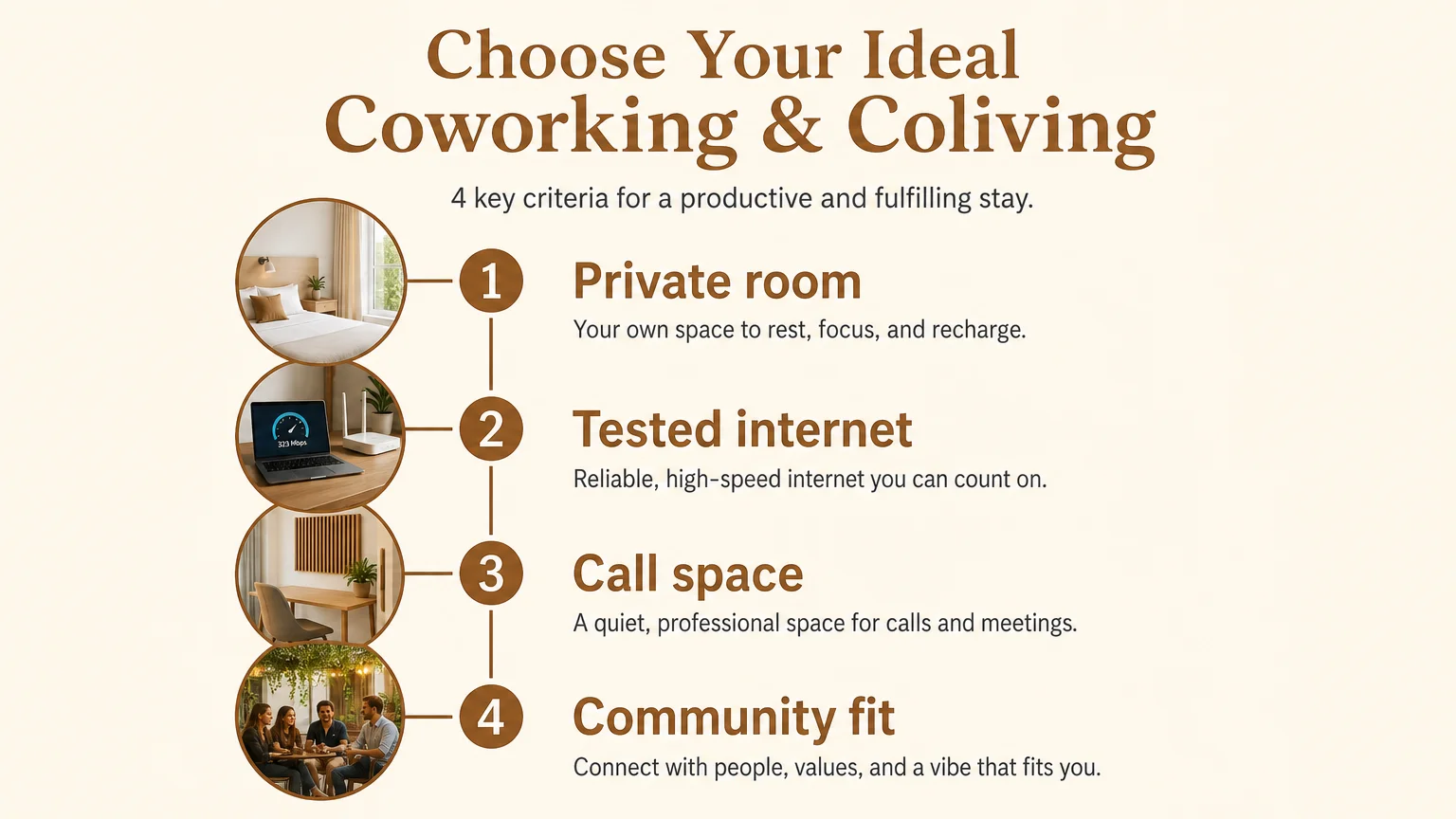
- Connectivity: Check both download and upload performance, Wi-Fi coverage, Ethernet availability, and backup arrangements.
- Privacy: Confirm whether bedrooms are private, whether bathrooms are shared, and how common spaces are managed.
- Work areas: Look for ergonomic seating, natural light, quiet zones, phone-call options, and meeting facilities.
- Stay structure: Review minimum nights, payment stages, cancellation terms, and policies for changing dates.
- Community fit: Ask whether activities are optional, hosted, frequent, and suitable for your preferred level of social contact.
- Location: Consider public transport, supermarkets, restaurants, beaches, and whether renting a car is practical.
The details can affect the value significantly. A lower nightly price may not be economical if you must pay separately for a coworking desk, transport, laundry, or reliable meeting rooms. Conversely, a higher price may be justified when it includes equipment, housekeeping, community programming, and local support that you would otherwise arrange yourself.
The United States co-living market research published in 2026 reported that working professionals represented 55% of demand in 2025. It also identified remote and hybrid work as factors supporting interest in furnished, shorter-cycle housing. These figures describe one national market, so they should be treated as context rather than a universal rule.
Where does coliving differ from renting?
Traditional renting can offer greater control, especially when you want a long-term address, complete privacy, or the freedom to furnish a home yourself. It may also become more economical over a longer period, particularly when you already live in the area and have established routines.
Coliving usually makes more sense when speed and simplicity matter. You can arrive with your personal belongings and begin using a furnished room, shared kitchen, internet connection, and work area. This can be valuable during a relocation, a workation, a temporary project, or a period of intentional travel.
An industry report published in January 2026 estimated that the global coliving market reached $13.5 billion in 2025, with more than 350,000 purpose-built beds worldwide. Because these figures are based on industry research and operator data, they should be read as estimates, but they indicate that managed shared living has become a substantial housing category.
There are trade-offs. You may have less control over room assignment, house rules, guests, noise, and shared routines. Cancellation policies can also be stricter than expected. Before paying a deposit, read the rules for early departure, booking changes, refunds, and room changes.
If you are comparing both models in detail, our guide to coliving versus renting can help you assess privacy, flexibility, responsibilities, and total value more carefully.
How can you stay productive without missing the community?
The strongest experiences create a rhythm between concentration and connection. You do not need to attend every dinner or activity, but complete isolation can make a shared environment feel like a hotel with extra steps.
Set a simple weekly structure before you arrive. Identify your most demanding work hours, reserve time for calls, and decide when you will join community activities. This makes it easier to protect deep work while remaining open to useful conversations.
Community programming can also create professional value. A dinner may introduce you to a potential collaborator. A workshop may provide a new perspective on a business problem. A shared activity may help you build trust with people who understand the challenges of remote work.
At POMAR, hosted dinners, workshops, talks, brainstorming sessions, skill-sharing, and local activities support this balance. Our team also helps guests connect with Algarve experiences, including hiking, surfing, yoga, sailing, running, and other outdoor activities. The aim is not constant socializing, but a more complete routine around work and life.
Who benefits most from this lifestyle?
Remote employees often value dependable infrastructure and a clear routine. Freelancers may appreciate the chance to meet people outside their usual client network. Entrepreneurs can benefit from informal conversations, shared experience, and access to a temporary base without signing a conventional commercial lease.
Creative professionals may also find the change of environment useful, provided the space offers enough quiet time. A new setting can introduce fresh references and collaborations, but it can also create distractions. The right community respects both participation and personal boundaries.
Digital nomads usually need a balance between local immersion and operational simplicity. A hosted stay can reduce the time spent searching for housing, workspaces, supermarkets, transport, and activities. Our content on how coliving supports digital nomad culture explores this relationship between mobility, connection, and routine in more detail.
The model may be less suitable if you require total privacy, have a fixed family arrangement, travel with pets, or need a permanent address. Standard shared coliving may also be unsuitable for children, although some operators can discuss private group or whole-house arrangements.
What should you decide before booking?
Clarify your non-negotiables first. These may include a private bedroom, reliable video-call facilities, a minimum number of nights, access to a gym, proximity to the coast, or a quiet countryside setting.
Then review the operational details. Check what is included in the base price, which services cost extra, how deposits are paid, and whether availability is limited for coworking day access. Ask how the house handles noise, cleaning, laundry, visitors, room allocation, and schedule changes.
You should also consider your social expectations. Some communities organize frequent events, while others offer a quieter shared home. Neither approach is automatically better. The important question is whether the rhythm matches your work responsibilities and personal energy.
Finally, assess the destination itself. In the Algarve, a countryside location can provide calm and space, while a beachside or urban location may offer easier access to restaurants, transport, and cultural activities. Your preferred setting should support the way you want to spend time outside working hours.
Choosing a better work and living balance
Coworking and coliving work best when accommodation, work infrastructure, community, and location are considered as one experience. The model can simplify temporary living, but it does not remove the need for careful comparison. Review privacy, connectivity, pricing, cancellation terms, transport, and community expectations before committing. When those elements align with your working style, a shared environment can offer both productive structure and meaningful connection.
Take action with POMAR coliving
If you want to combine focused work with a hosted community and the freedom to experience Portugal, your accommodation should support more than sleep. It should give you a practical base for working, recovering, meeting people, and exploring the Algarve at a comfortable pace.
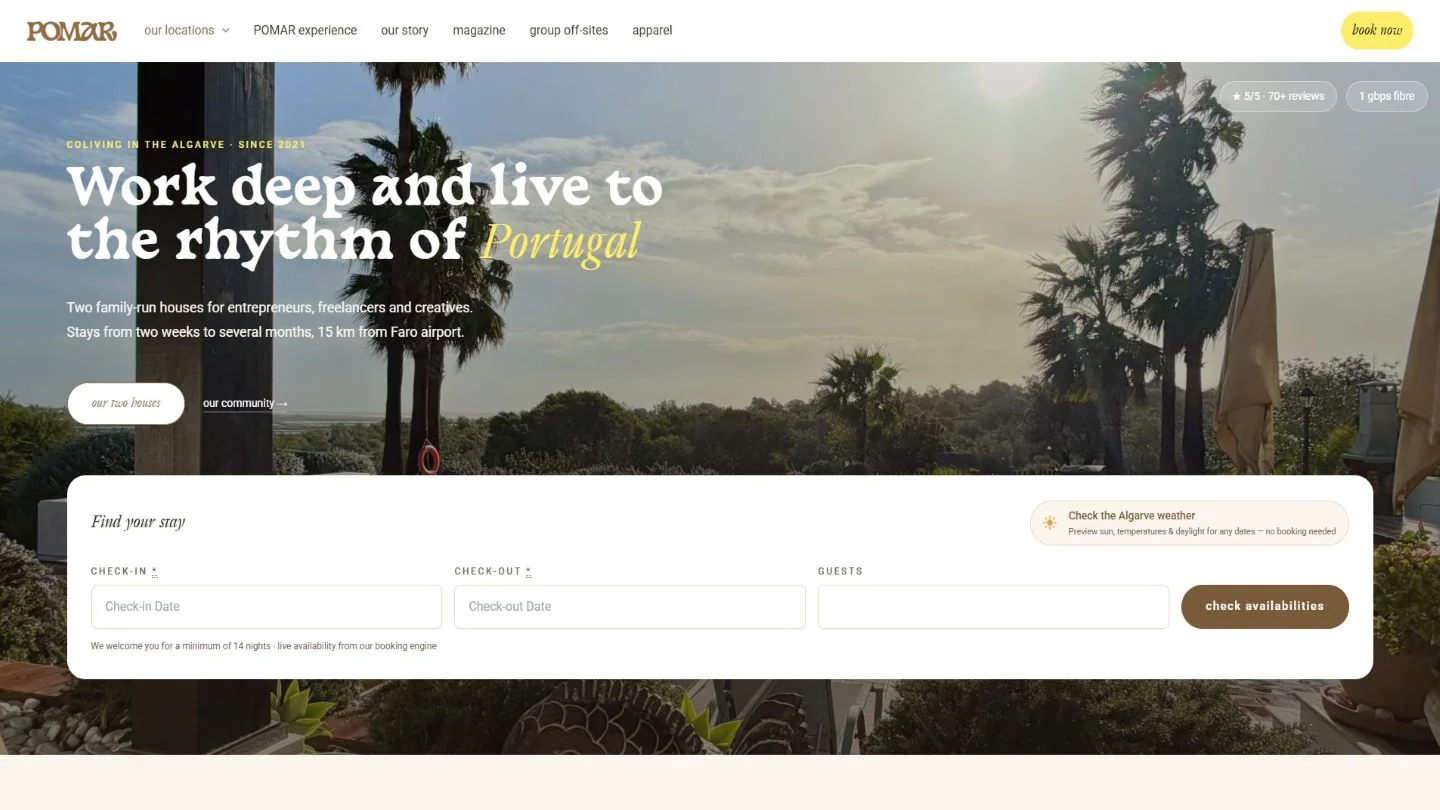
At POMAR, private-room stays combine shared living, professional workspaces, fiber internet, ergonomic equipment, on-site hosts, housekeeping, community dinners, workshops, fitness options, and local activities. You can explore coliving in the Algarve and choose the arrangement that best matches your work routine, preferred setting, and length of stay.
Frequently Asked Questions
Are coworking and coliving the same thing?
No. Coworking provides a shared professional workspace, while coliving provides furnished accommodation with shared living areas. Some spaces combine both, but you should confirm whether work facilities are included or require a separate payment.
Is coworking and coliving suitable for digital nomads?
Yes, it can suit digital nomads who want reliable work facilities, temporary accommodation, and a built-in community. The best option depends on your need for privacy, your work schedule, your preferred destination, and the length of your stay.
Can I stay in a private room while using shared spaces?
Many coliving arrangements provide a private bedroom with shared kitchens, lounges, gardens, or work areas. Always confirm bathroom arrangements, room assignment policies, noise expectations, and whether a private room is guaranteed before booking.
What should I check before booking a coworking and coliving space?
Check internet reliability, desks, call areas, power access, minimum stay rules, cancellation terms, cleaning, transport, and community activities. You should also ask which amenities and services are included in the published price.
Does POMAR provide both accommodation and coworking?
Yes. POMAR provides private-room coliving stays with shared living spaces and professional coworking facilities, while coworking day access and subscriptions are also available. The standard experience includes hosted community activities, work equipment, fiber internet, and local support in the Algarve.