
Summary: An ice bath after work may reduce perceived soreness, cool the body after demanding exercise, and create a sharp mental reset. The strongest 2026 evidence supports a cautious, goal-dependent approach: use cold water briefly when short-term relief matters, but avoid treating it as a daily cure or placing it immediately after every strength session.
Would you step into cold water at the end of a demanding workday if it could help you feel less sore and more alert? The appeal behind Ice bath benefits after work is understandable, especially after training, commuting, or long hours at a desk. At POMAR, we treat an end-of-day plunge as one optional part of a balanced routine, and you can explore Pomar’s cold ritual for a practical example.
The evidence is more nuanced than social media suggests. Cold-water immersion may reduce the sensation of muscle soreness and provide a strong mental transition between work and personal time. However, the best results depend on your training goal, health, water temperature, exposure time, and what you do after leaving the bath.
Can an ice bath after work help you recover?
It can, particularly when your priority is short-term comfort rather than maximum long-term adaptation. Cold water constricts blood vessels and reduces skin and muscle temperature, which may temporarily lessen pain signals, swelling, and the feeling of heaviness after demanding exercise.
A 2026 systematic review of trained soccer players found that post-match cold-water immersion may support some recovery outcomes, but the researchers cautioned that the prediction intervals included no effect. In other words, an 2026 soccer review supports a careful interpretation rather than a universal promise of faster recovery.
This distinction matters after work. If you completed a hard run, long hike, or demanding sports session, an ice bath may help you feel ready for the evening. If your workday involved sitting, meetings, or mental fatigue without substantial physical strain, the main benefit may be the ritual itself, not accelerated muscle repair.
Think of the bath as a recovery tool with a narrow purpose. It may help reduce perceived soreness, cool you after heat exposure, and create a clear psychological boundary between professional obligations and personal time. It should not replace sleep, food, hydration, mobility, or sensible training progression.
Which benefits are plausible, and which claims are overstated?
The most credible benefit is short-term soreness relief. Many people feel less discomfort after cold exposure because cold reduces nerve conduction and temporarily changes blood flow. Feeling better can be useful when you need to move normally the next day, but reduced pain does not automatically mean that damaged tissue has healed faster.
Mood and alertness are possible benefits, although individual responses vary. A 2026 systematic review included 13 studies and 4,105 participants, yet concluded that the evidence remained heterogeneous and at substantial risk of bias. The 2026 psychological review found that several outcomes appeared favorable, but controlled analyses often produced smaller effects.
That makes an evening plunge best understood as a personal experiment, not a treatment for anxiety, depression, insomnia, or chronic stress. Some people feel calmer after controlling their breathing in cold water. Others feel overstimulated, uncomfortable, or unable to relax afterward.
Claims about immunity, fat loss, longevity, or dramatic hormone changes require even more restraint. A cold bath may increase energy expenditure briefly, but that does not make it a reliable weight-loss method. Similarly, feeling invigorated after a plunge does not prove that your immune function has meaningfully improved.
If you want a broader framework for combining exercise and recovery, our training and recovery resources place cold exposure alongside movement, rest, and sustainable routines rather than presenting it as a standalone solution.
Why does timing matter after strength training?
The question is not simply whether cold water feels good. It is also whether the timing supports your specific training objective. The inflammation and cellular stress created by resistance training help signal muscle repair and adaptation, so immediately suppressing those processes may not suit someone focused on strength or muscle growth.
A 2026 study comparing cold water, hot water, hot air, and passive recovery found similar restoration of maximal voluntary contraction across conditions within 72 hours. It also observed slower resolution of some muscle damage and inflammatory markers after cold-water immersion. The thermal recovery study involved healthy adults after exercise-induced muscle damage, so its findings should guide discussion rather than dictate one protocol for every person.
For a strength-focused training block, consider using an ice bath later in the day or on a rest day instead of immediately after lifting. Waiting until the next day may preserve more of the training signal while still giving you access to cold exposure when soreness is affecting comfort.
For endurance training, tournaments, repeated sports sessions, or unusually hot conditions, immediate relief may have greater practical value. When another demanding session is close, reducing discomfort can help you move confidently and maintain your schedule.
How can you try an after-work ice bath safely?
Start with control, not intensity. Use a stable tub, measure the water temperature, keep a timer nearby, and make sure you can exit without slipping. You should never treat uncontrollable shivering, dizziness, confusion, numbness, chest discomfort, or unusual breathing as a challenge to overcome.
For a first session, cool water and a brief exposure are more sensible than a dramatic amount of ice. Keep your head above water, breathe slowly, and leave the bath while you still feel in control. Dry yourself immediately, put on warm layers, and allow your body to rewarm gradually.
Avoid cold plunges alone, especially when you are new to the practice. Alcohol, exhaustion, dehydration, and overheating can also make your judgment less reliable. If you have heart disease, high blood pressure, circulation problems, diabetes, neuropathy, a history of fainting, or another relevant condition, ask a healthcare professional before trying cold-water immersion.
The best routine is one you can repeat without dread. If an ice bath disrupts your sleep, increases anxiety, or leaves you feeling depleted, use warmer water, a shorter session, or a different recovery method.
Is an ice bath better than a cold shower or a walk?
Not necessarily. Each option creates a different experience, and the right choice depends on whether you need soreness relief, alertness, relaxation, or simple decompression after work.
- Ice bath: Useful when full-body cooling and short-term soreness relief are your priorities. It requires more preparation and creates a stronger cold-shock response.
- Cold shower: Easier to use and usually less demanding. It can provide a brief alerting sensation without the same level of immersion.
- Warm bath: Often more suitable when your main goal is relaxation, gentle comfort, or preparation for sleep.
- Easy walk: A practical choice after desk work, particularly when stiffness comes from inactivity rather than hard training.
A 2016 randomized trial found that a routine involving hot-to-cold showers reduced sickness absence by 29 percent, but it did not reduce the number of illness days. The 2016 shower trial therefore offers an interesting result, not proof that cold showers provide broad protection from illness.
For many people, a short walk followed by a warm shower may support the evening more effectively than forcing an intense plunge. Cold exposure is optional. It should complement your routine, not become another performance test after an already demanding day.
How can remote workers fit cold recovery into a healthier workday?
Remote work can blur the boundary between professional concentration and personal time. A deliberate transition helps, whether that means a walk, a meal with other people, mobility work, or a short cold-water session.
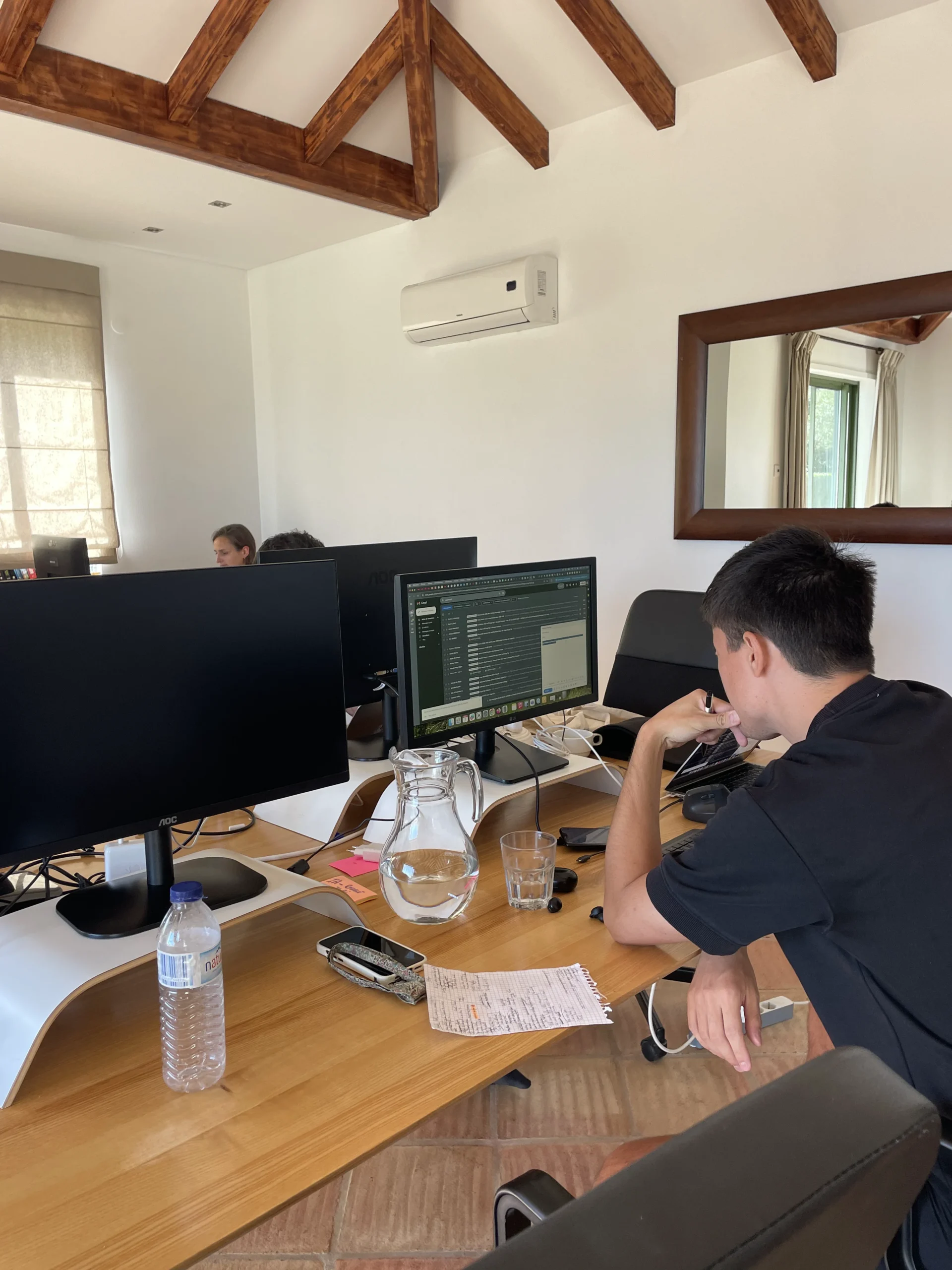
At POMAR, we combine private rooms, shared living, coworking spaces, fitness areas, and optional wellness activities so that work and recovery can exist within the same temporary environment. In 2026, POMAR lists optional ice baths at €8 per person, and Claire, co-founder and host, leads guided ice-bath sessions. These sessions are not medical care, so you should still consider your health status and personal tolerance before participating.
The value of this setting is the surrounding routine. You can finish focused work, move away from your desk, speak with other residents, and choose an activity that suits your energy. Our guide to sports at colivings explores how shared activities can support connection without making every evening feel like another obligation.
If you are planning a longer workation, the Algarve also makes it possible to combine coworking with walking, swimming, hiking, and other outdoor activities. Our overview of sports destinations for remote workers can help you think beyond a single recovery technique and build a more varied routine.
The balanced answer
Ice bath benefits after work are most convincing when the goal is brief soreness relief, cooling, or a clear mental reset. Use cold water strategically, keep sessions conservative, and avoid immediate post-lift plunges if building strength is your priority. The most effective recovery plan remains broader, combining sleep, food, hydration, movement, and enough rest for your body to adapt.
Build a healthier work and recovery routine
A productive workday does not have to end when you close your laptop. A well-designed environment can make space for movement, community, outdoor activities, and deliberate recovery without separating work from everyday life.
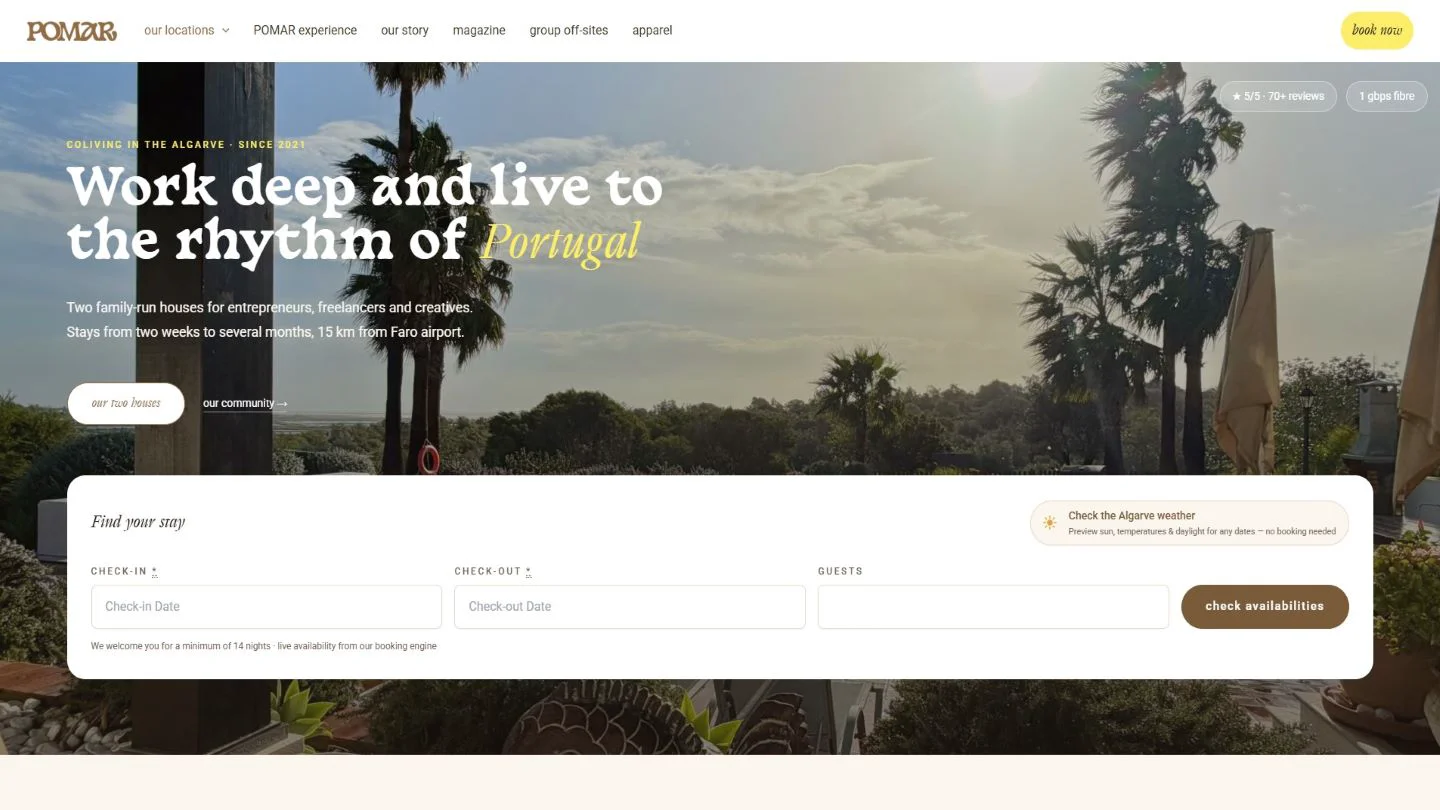
At POMAR, you can stay in a private room, work from a professional coworking space, join community activities, and access optional wellness experiences in the Algarve. Explore coliving in the Algarve when you are ready to combine focused work with a more balanced daily rhythm.
Frequently Asked Questions
Is an ice bath after work good for everyone?
No. Healthy adults may tolerate brief cold exposure, but people with cardiovascular, blood pressure, circulation, or nerve-related conditions should seek professional advice first. Personal tolerance also varies considerably.
Should you take an ice bath immediately after lifting?
Not if your main goal is building muscle or strength. Consider delaying the plunge or using it on a rest day so that your training adaptations are not routinely interrupted.
Can an ice bath help you sleep after work?
Some people feel calmer after cold exposure, while others feel stimulated or uncomfortable. Test the practice earlier in the evening and stop if it makes it harder to relax or fall asleep.
Is a cold shower enough instead of an ice bath?
A cold shower is a more accessible alternative and may provide an alerting transition after work. It does not create the same whole-body immersion, but a gentler option may be more sustainable.
Can you try a guided ice bath in the Algarve?
Yes. In 2026, POMAR offers optional ice baths at €8 per person, with guided sessions led by co-founder and host Claire. The experience is not medical treatment, so you should confirm that cold exposure is appropriate for you.