Summary: The clearest co-living examples combine private space, shared facilities, flexible stays, and an intentional community. They range from urban apartment networks and purpose-built buildings to rural workation houses, adaptive reuse projects, and hosted private-room stays. The right model depends on your budget, work routine, desired social contact, location, and length of stay.
What do the most useful co-living examples have in common? They offer more than a room with shared walls. You receive a private base, practical common areas, and a setting that makes it easier to meet people without giving up your independence. If you are still defining the concept, our guide to what co-living means provides a clear starting point.
The format is also changing with housing pressure, remote work, and more mobile lifestyles. In March 2026, Pew’s 2026 analysis examined vacant office conversions into small co-living apartments across ten United States cities. That example shows how co-living can serve both lifestyle needs and broader housing challenges.
What makes a co-living example genuine?
Not every shared rental is co-living. A conventional house share may simply divide rent between unrelated tenants. Co-living adds a managed experience around the accommodation.
A genuine model usually combines four elements. First, residents have a private bedroom, studio, or clearly defined personal area. Second, they share useful spaces such as kitchens, lounges, gardens, work areas, or fitness facilities. Third, an operator manages the property and sets expectations. Fourth, the community has a purpose, whether that is remote work, student life, entrepreneurship, creativity, or local integration.
The length of stay can vary considerably. Some models focus on several months, while others support flexible stays of a few weeks. Services may include utilities, Wi-Fi, cleaning, furniture, community events, local activities, or coworking access.
This distinction matters because the physical layout shapes your daily experience. A room in a crowded apartment may reduce costs, but it does not automatically provide connection, support, or a productive environment. The operator’s role, house rules, and quality of shared spaces often matter as much as the bedroom itself.
Seven co-living examples to help you compare models
Imagine seven properties in seven different settings. Each could be described as co-living, yet each serves a different need and creates a different rhythm of life.
1. The hosted private-room coliving house
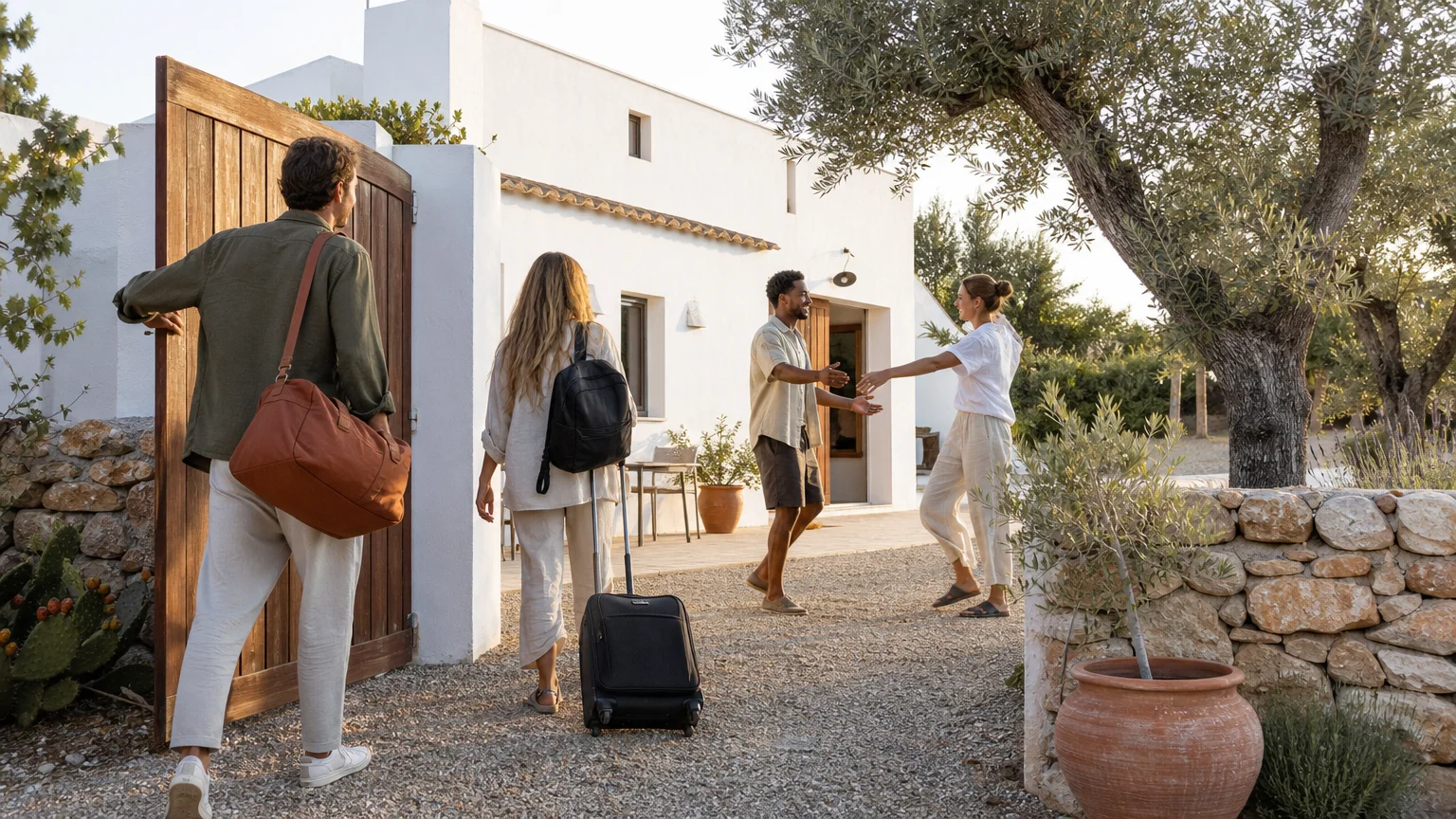
This model places a small group of residents in a furnished house with private bedrooms and shared kitchens, lounges, gardens, or workspaces. A host or community manager helps coordinate arrivals, activities, practical questions, and shared expectations.
It suits freelancers, entrepreneurs, creatives, and remote workers who want social contact without living in a large residential complex. It also works well for people who prefer a slower pace and a more personal atmosphere.
The main trade-off is proximity. You may gain meaningful connections, but you also share kitchens, bathrooms, noise, and household routines. Before booking, confirm the number of residents, room privacy, cleaning arrangements, quiet hours, and workspace availability.
2. The purpose-built urban coliving building
Purpose-built buildings usually provide private micro-apartments or bedrooms alongside extensive shared facilities. These may include coworking areas, lounges, gyms, laundry rooms, cinemas, event spaces, restaurants, or rooftop terraces.
The model fits professionals who want a central location and convenient services. It can also provide a soft landing when you move to a new city and do not yet have local contacts.
The scale creates variety, but it can reduce intimacy. You may meet many people without developing close relationships. The experience depends heavily on programming, spatial design, sound control, and the ratio between private and shared areas.
3. The decentralized apartment network
In a decentralized model, an operator manages several furnished apartments across the same city. Residents live in different buildings but may share events, digital channels, coworking access, or community services.
This arrangement gives you more residential privacy and a wider choice of neighborhoods. It may suit professionals who want flexibility without committing to a large communal building.
The community can feel less immediate, however. You may need to travel to events or coworking spaces. This model works best when the operator provides clear communication and makes meetings easy to access.
If you are a remote worker or digital nomad comparing locations, our guide to different co-living options for digital nomads can help you match the format with your work style.
4. The hotel or hostel hybrid
Some hospitality properties use quiet or low seasons to serve longer-stay residents. They may add coworking areas, community dinners, workshops, shared kitchens, or professional events to an existing accommodation business.
This model offers familiar hospitality services and can support short, medium, or seasonal stays. It may appeal to travelers who want a more social experience than a hotel, without choosing a long residential lease.
The challenge is consistency. A property designed for short visits may attract guests with very different schedules. A group seeking nightlife may not suit residents who need early mornings and concentrated work.
5. The rural or coastal workation house
Rural and coastal coliving spaces place shared living near nature. Residents may combine focused work with hiking, surfing, sailing, yoga, cycling, or local cultural activities.
This model is attractive when your priority is a change of pace rather than urban convenience. It can support creative projects, entrepreneurial planning, wellness routines, and deeper conversations with a smaller group.
Transport requires careful attention. Shops, restaurants, beaches, and public services may not be within walking distance. You should also check internet reliability, call-friendly rooms, heating or cooling, and whether a rental car is necessary.
6. The adaptive reuse coliving project
Adaptive reuse converts an existing property into shared housing. Possible buildings include vacant offices, hotels, student residences, warehouses, or underused residential blocks.
The appeal is both practical and environmental. Existing structures may offer generous floor areas, established transport connections, and useful communal zones. Their conversion can also preserve part of the building’s embodied value.
However, an attractive conversion does not guarantee a comfortable home. Check daylight, ventilation, acoustic privacy, storage, fire safety, accessibility, and the quality of the conversion work. Shared housing needs more than efficient floor plans.
7. The student, cooperative, or multigenerational model
Some communities organize around a life stage, shared values, or a collective purpose. Examples include student residences, cooperative housing, artist communities, senior roommate arrangements, and multigenerational projects.
These models can create stronger bonds because residents share a clear reason for living together. They may also involve more participation, such as collective decisions, shared maintenance, or regular meetings.
The trade-off is commitment. You may have less flexibility than in a hospitality-style property. Ask how decisions are made, how conflicts are handled, and what responsibilities residents accept.
Why community design matters more than shared rooms

A shared kitchen does not automatically create a community. The details between private and communal areas influence whether residents meet naturally or avoid one another.
A 2026 spatial study examined how configuration, visibility, and shared areas influence copresence in a large-scale purpose-built coliving building. Its focus supports a useful principle: the path between your room and a shared space can shape social contact.
Good design creates opportunities without forcing interaction. A kitchen should be practical enough for several people. A lounge should offer different seating positions. A corridor can provide daylight, benches, or small pauses instead of feeling like a purely functional passage.
Privacy remains equally important. Residents need places for calls, concentration, rest, and personal routines. A successful community does not require constant participation. It gives you the choice to join a dinner, attend a workshop, or close your door and work quietly.
This balance separates a thoughtful coliving property from a crowded house share. The best fit is not necessarily the property with the largest amenity list. It is the one where the private and social parts of daily life support each other.
Which model fits your reason for staying?
Your purpose should guide your choice more than the photographs. A model that suits a six-month relocation may feel unsuitable for a two-week creative retreat.
Community is a significant motivation for many residents. In a 2025 survey of 2,000 people, Bidwells survey results showed that 67% liked the idea of built-in community and social opportunities. That figure rose above 77% among respondents aged 25 to 34.
Choose an urban building for convenience
Select a centralized urban property when transport, services, and professional networking matter most. This format can reduce the friction of moving to a new city, especially when utilities, furniture, cleaning, and events are included.
It may be less suitable if you need silence, outdoor space, or a small group with a clear shared identity. Ask how many residents live there and whether events are optional or expected.
Choose a decentralized network for independence
An apartment network is useful when you want a residential neighborhood and a private routine. It may also provide more choice around apartment size, location, and lease duration.
Before committing, confirm how the community works in practice. A digital group alone may not create connection. Look for regular gatherings, accessible coworking options, and clear local support.
Choose a rural or coastal house for focus
A countryside or beachside setting can suit a workation, creative project, or wellness reset. The environment may make it easier to establish a strong daily rhythm around work, exercise, meals, and recovery.
Be realistic about distance and seasonality. A beautiful location may have fewer shops, less public transport, and fewer activities during certain months.
Choose a hosted house for connection
A small hosted property can work well when you want to meet people quickly. On-site hosts can help establish routines, organize shared activities, and resolve practical questions before they become conflicts.
For a balanced decision, compare our guide to co-living versus renting with your expected length of stay, budget, privacy needs, and work requirements.
What should you check before booking?
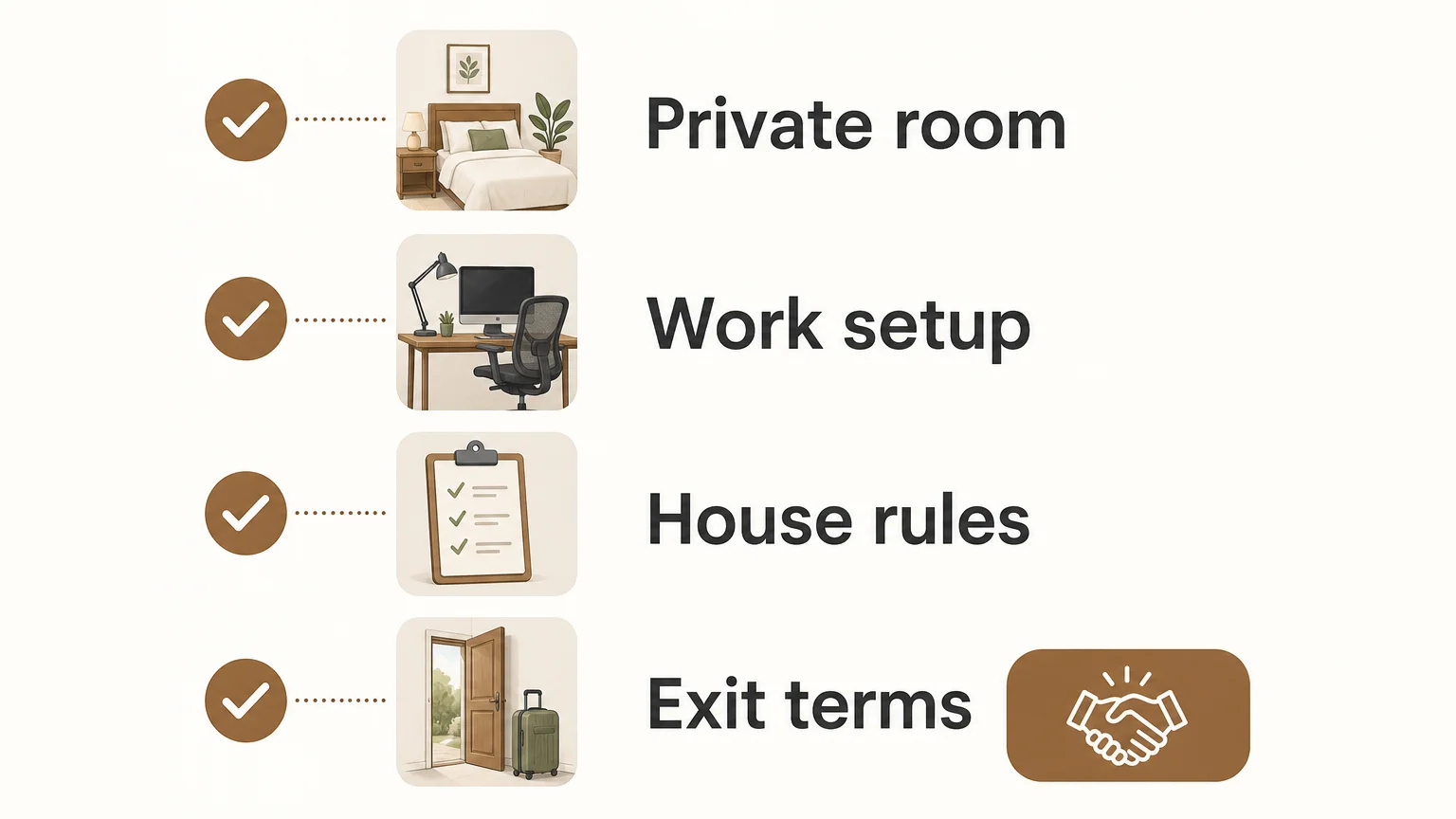
Before you compare amenities, confirm the practical conditions. A strong decision usually depends on four areas: privacy, workability, community expectations, and contract terms.
- Private room: Confirm whether the room has a private or shared bathroom, sufficient storage, natural light, and a suitable bed. Ask whether room assignments can change during your stay.
- Work setup: Check broadband reliability, Wi-Fi coverage, Ethernet access, ergonomic seating, call areas, power backup, and opening hours. A shared table may not be enough for full-time remote work.
- House rules: Ask about guests, noise, cleaning, kitchen use, alcohol, smoking, pets, children, and shared responsibilities. Clear rules protect both social life and personal space.
- Location: Verify transport, supermarkets, medical services, cafés, and access to activities. Rural and coastal properties may require more planning than city locations.
- Contract: Read cancellation, deposits, date changes, early departure, payment schedules, and minimum-stay requirements. Never rely on a general description when the financial terms are important.
Contract length varies across the sector. The Knight Frank report recorded three-month initial contracts as 38% of its sample and six-month contracts as 35% in 2025. This illustrates why you should compare flexibility rather than assuming every model works month to month.
You should also ask how the community is formed. Are dinners, workshops, or group activities organized regularly? Can you participate without attending everything? Is there an on-site person who understands the property and the local area?
How POMAR translates these examples into a stay
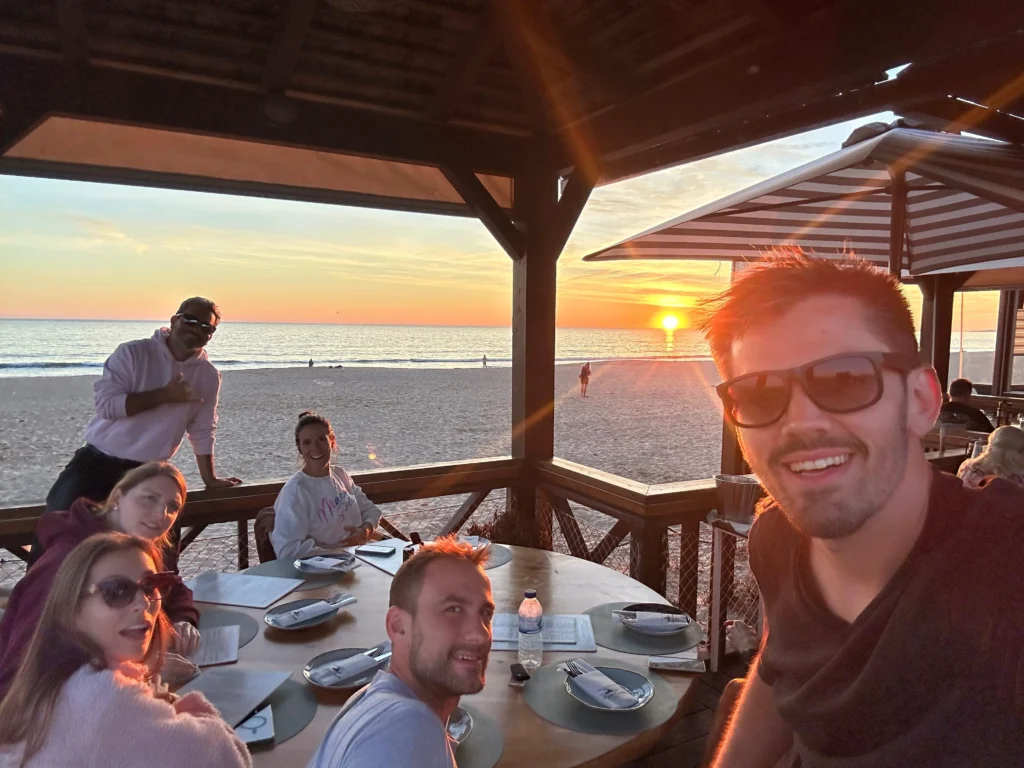
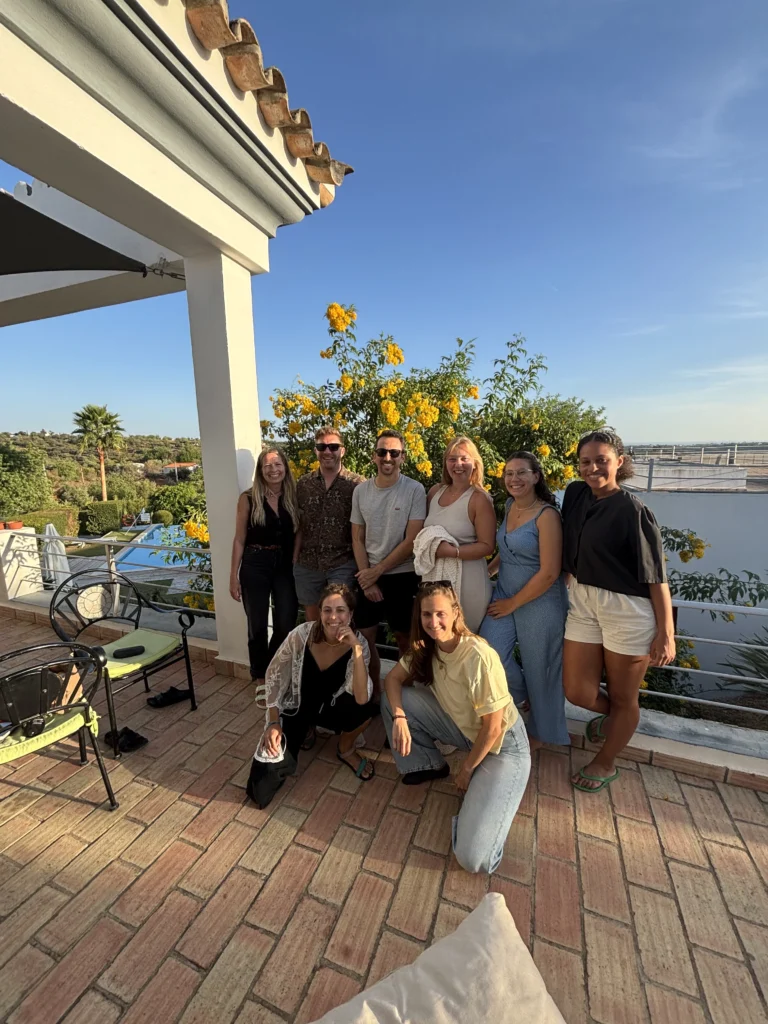
Our model combines the intimacy of a hosted private-room house with the practical needs of remote work. At POMAR, private bedrooms sit alongside shared living spaces, professional coworking areas, high-speed fiber broadband, ergonomic equipment, fitness options, and community programming.
Our locations create different versions of the same idea. POMAR base offers a countryside setting near Olhao, while POMAR na praia is open for the October 2026 to April 2027 season in a coastal environment near Fuzeta. Each setting supports a different balance between focus, local life, and outdoor activity.
Residents can join weekly family dinners, workshops, talks, skill-sharing, brainstorming sessions, and selected activities. Hosts remain on site, which helps connect the accommodation experience with practical local support.
For people who want to compare communities carefully, our guide on how to find the best co-living communities offers a useful evaluation framework. The key question is not whether a property looks social. It is whether the community supports the way you actually want to live and work.
Our offer also includes coworking access for people who do not need accommodation. Businesses and professional groups can inquire about seminars, retreats, remote team meetings, professional events, and partial or complete house privatization.
Choose the co-living example that fits your rhythm
The most useful co-living model is the one that matches your reason for staying. Consider your need for privacy, the amount of social contact you want, the quality of the work environment, the location, and the flexibility of the agreement. Urban buildings support convenience, decentralized networks support independence, and rural or hosted houses can create a more focused community experience. Compare the daily reality, not only the room photographs, and you will make a more reliable choice.
Take action with POMAR coliving
If you want to combine focused work, private accommodation, local experiences, and a welcoming community, a hosted stay can offer more structure than a standard rental. It can also give you a practical way to experience the Algarve while meeting entrepreneurs, freelancers, creatives, and remote workers.
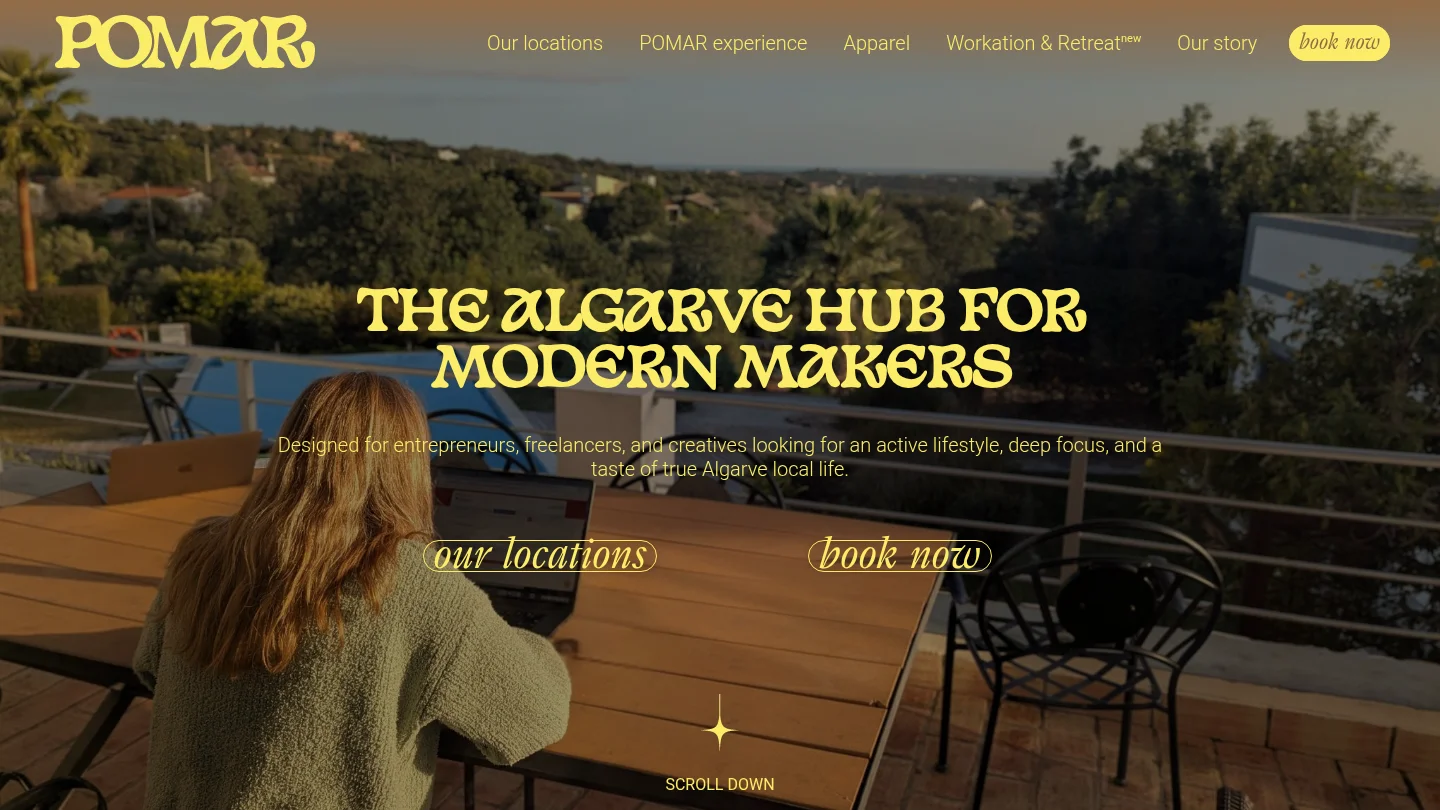
At POMAR, you can choose between distinct Algarve settings, use professional coworking facilities, join community dinners and activities, and benefit from on-site hosting. Explore coliving in the Algarve to find the stay format that matches your work and lifestyle priorities.
Frequently Asked Questions
What are the main types of co-living?
The main types include hosted private-room houses, urban coliving buildings, decentralized apartment networks, hotel hybrids, rural or coastal workation spaces, adaptive reuse projects, and cooperative or multigenerational communities. Each model differs in privacy, services, community size, location, and flexibility.
Is co-living the same as renting a room?
Not necessarily. Renting a room may only provide shared accommodation, while co-living usually includes managed common spaces, furnishings, services, community programming, or support from an operator.
Which co-living model suits remote workers?
Remote workers often benefit from a model with reliable internet, ergonomic equipment, quiet call areas, and a private bedroom. A hosted house or workation property can be suitable when you also value community and local activities.
Can I live in co-living accommodation without being highly social?
Yes, provided the property respects privacy and makes activities optional. Before booking, ask about room privacy, quiet areas, house rules, and how much participation the community expects.
Does POMAR offer more than accommodation?
Yes. POMAR combines private-room coliving with coworking access, on-site hosting, community activities, fitness and wellness options, and support with selected Algarve experiences. Businesses and groups can also inquire about professional events and house privatization.